What is a Facial Oil and Top 5 Reasons Why You Should Be Using One

Nearly 60 percent of American adults now include facial oils in their skincare routines, showing a clear shift toward plant-based solutions. This growing trend speaks to the desire for nourishing products that deliver results without harsh additives. Understanding what facial oil is—and how it supports your skin’s natural balance—can help you make smarter choices for lasting hydration, protection, and a healthier complexion.
Table of Contents
- What Is Facial Oil? Core Concepts Explained
- Types of Facial Oils and Key Differences
- How Facial Oils Work With Skin
- Benefits of Using Facial Oils Daily
- Choosing Safe, Clean, and Vegan Oils
- Common Mistakes and How to Avoid Them
Key Takeaways
| Point | Details |
|---|---|
| Understanding Facial Oils | Facial oils are lightweight, lipid-based products that nourish and hydrate skin, mimicking natural sebum for effective absorption. |
| Types of Oils | Different facial oils, such as jojoba and sweet almond, provide unique benefits tailored to various skin types and conditions. |
| Daily Benefits | Regular use of facial oils enhances skin hydration, improves barrier protection, and supports natural regeneration processes. |
| Application Tips | Proper application techniques and choosing the right oil for your skin type are crucial to maximizing the benefits of facial oils. |
What Is Facial Oil? Core Concepts Explained
Facial oils are specialized skincare products designed to nourish, hydrate, and support your skin’s natural balance. Unlike traditional moisturizers, these concentrated formulations contain pure botanical extracts and natural botanical oils that deliver targeted nutrition directly to your skin’s surface.
At their core, facial oils are lipid-based products derived from plant sources like seeds, nuts, and fruits. Vegetable oils such as almond, castor, olive, and coconut provide essential fatty acids and nutrients that help maintain skin health. These oils function as powerful emollients, creating a protective barrier that locks in moisture and supports the skin’s natural regeneration processes.
Understanding facial oils requires recognizing their unique composition. Unlike heavy mineral oils, high-quality facial oils are lightweight and designed to mimic your skin’s natural sebum. For instance, jojoba oil contains mono-esters of long-chain fatty acids that closely resemble human skin’s molecular structure. This remarkable similarity allows facial oils to penetrate deeply, providing hydration without clogging pores or causing excessive greasiness.
Key characteristics of effective facial oils include:
- Lightweight, fast-absorbing formulations
- Non-comedogenic properties
- Rich in antioxidants and essential fatty acids
- Balanced molecular structure matching skin’s natural lipids
- Ability to support skin’s protective barrier
Whether you have dry, oily, combination, or sensitive skin, the right facial oil can transform your skincare routine by delivering concentrated nutrition and supporting your skin’s natural healing processes.
Types of Facial Oils and Key Differences
Facial oils represent a diverse category of skincare products, each with unique properties and benefits tailored to different skin types and concerns. Common carrier oils used in facial care include sweet almond, jojoba, coconut, and grapeseed oils, each offering distinct advantages for skin health and appearance.
Sweet almond oil is particularly noteworthy for its rich composition of oleic and linoleic acids, making it an exceptional moisturizing agent. In contrast, jojoba oil stands out for its remarkable similarity to human sebum, providing excellent stability and making it ideal for individuals with oily or combination skin. Coconut oil brings antimicrobial properties due to its high saturated fat content, while grapeseed oil offers a lightweight, easily absorbed solution perfect for acne-prone skin types.

Beyond these common options, specialized oils like sea buckthorn oil provide unique skincare benefits. Derived from Hippophae rhamnoides berries, this oil contains both seed and pulp oils rich in polyunsaturated and monounsaturated fatty acids. Its high carotenoid content makes it particularly effective for addressing aging and dry skin concerns.
Key differences among facial oils include:
- Molecular weight and absorption rate
- Fatty acid composition
- Comedogenicity (pore-clogging potential)
- Antioxidant and nutrient profile
- Suitability for specific skin types
When selecting a facial oil, consider your individual skin needs, potential sensitivities, and desired outcomes. A thoughtful approach to choosing facial oils can dramatically improve skin hydration, protection, and overall health.
How Facial Oils Work With Skin
Facial oils interact with skin through a complex mechanism of molecular penetration and surface protection. Jojoba oil’s unique composition closely resembles human sebum, allowing it to seamlessly integrate with the skin’s natural lipid barrier and effectively balance oil production across different skin types.
The absorption process of facial oils involves multiple intricate interactions at the cellular level. Molecular weight and chemical structure play critical roles in determining how deeply an oil penetrates the skin. Lightweight oils form a protective barrier on the skin’s surface, reducing moisture loss and creating a protective shield against environmental stressors without clogging pores.
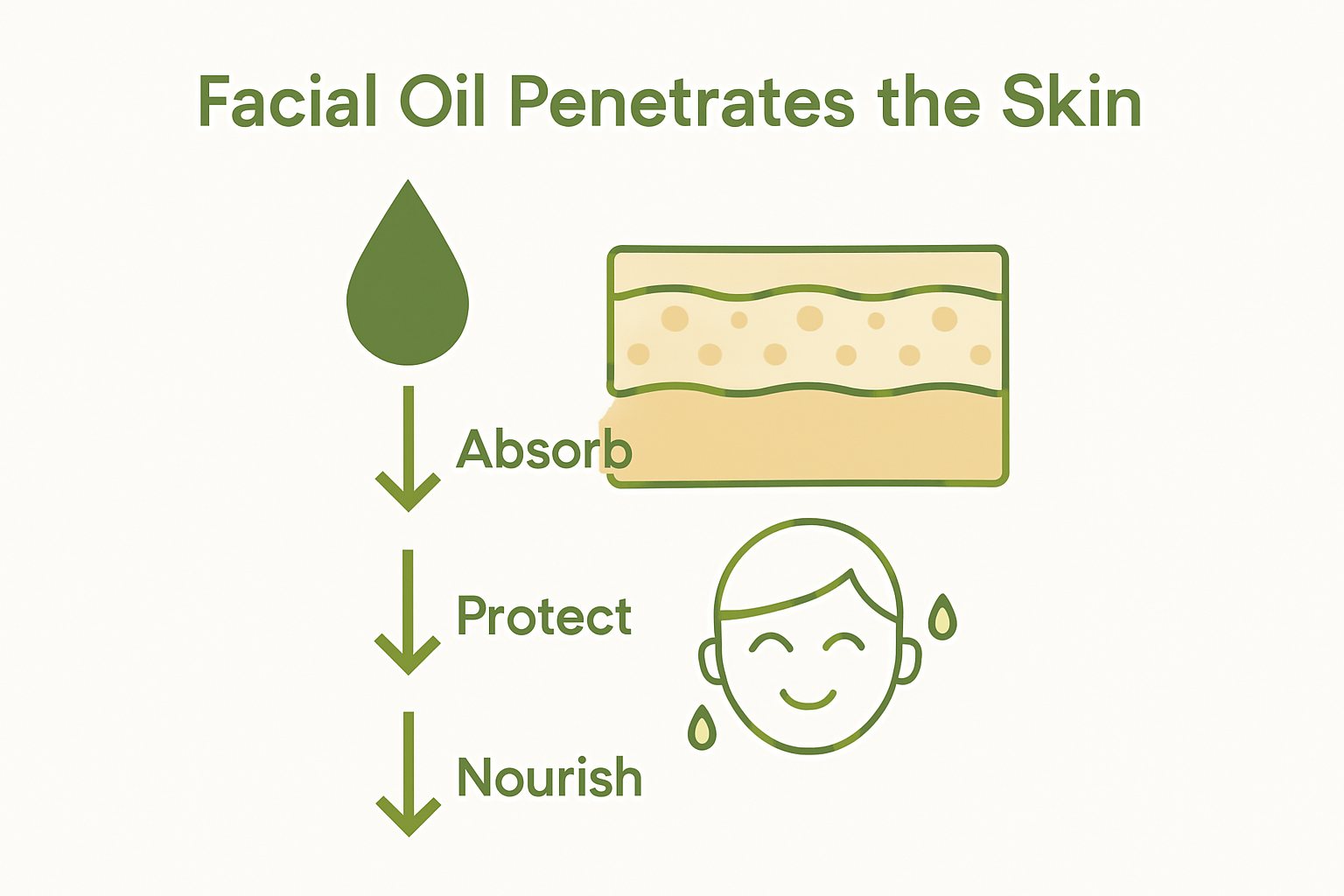
Each facial oil offers distinct mechanisms of skin interaction. Some oils focus on hydration by preventing transepidermal water loss, while others provide nutritional support through rich concentrations of antioxidants, fatty acids, and vitamins. The skin’s natural ability to recognize and utilize these botanical compounds makes facial oils a powerful tool for supporting overall skin health.
Key mechanisms of facial oil interaction include:
- Lipid barrier reinforcement
- Moisture retention
- Sebum production regulation
- Antioxidant protection
- Cellular nutrient delivery
Understanding these interactions allows for more strategic skincare choices, enabling you to select facial oils that precisely match your skin’s unique needs and support its natural regenerative processes.
Top 5 Benefits of Using a Facial Oil
Daily application of facial oils provides a transformative approach to skincare, delivering concentrated nutrition and protection to your skin. Jojoba oil has become a prominent ingredient in natural cosmetic products, particularly in lotions and moisturizers that aim to nourish and support skin health.
The consistent use of facial oils offers multiple comprehensive benefits beyond basic hydration. Cellular regeneration and protective barrier enhancement are key outcomes of regular facial oil application. Sea buckthorn oil demonstrates remarkable potential for addressing aging and dry skin concerns, representing the powerful therapeutic potential of botanically-derived skincare solutions.
Each facial oil brings unique advantages to your daily skincare routine. Some oils specialize in balancing skin’s natural oil production, while others focus on delivering intense hydration, fighting environmental stressors, or providing antioxidant protection. The cumulative effect of daily use can dramatically improve skin texture, resilience, and overall appearance.
Key daily benefits of facial oils include:
- Deep, long-lasting hydration
- Enhanced skin barrier protection
- Natural anti-aging support
- Balanced sebum production
- Improved skin elasticity and tone
Consistent application is the secret to unlocking facial oils’ full potential, transforming your skincare from a basic routine to a targeted, holistic approach to skin health.
Choosing Safe, Clean, and Vegan Oils
Vegan skincare demands careful selection of botanical oils that deliver potent nutrition without compromising ethical standards. Jojoba oil emerges as an exceptional vegan-friendly option, derived directly from the Simmondsia chinensis plant and offering a composition remarkably similar to human skin’s natural sebum.
When evaluating clean and safe facial oils, prioritize ingredients with transparent sourcing and minimal processing. Plant-based oils like sea buckthorn provide rich antioxidant profiles without relying on animal-derived ingredients. Look for cold-pressed, unrefined oils that retain their natural molecular integrity and therapeutic compounds, ensuring maximum skincare benefits.
Ethical considerations extend beyond ingredient sourcing to include production practices, environmental impact, and overall sustainability. The most effective vegan facial oils are those that balance scientific innovation with respect for natural ecosystems, delivering powerful skincare solutions without compromising personal or planetary wellness.
Key criteria for selecting safe, clean, and vegan facial oils include:
- 100% plant-based ingredients
- Cruelty-free certification
- No synthetic additives or fillers
- Transparent ingredient sourcing
- Minimal environmental processing
- Third-party quality verification
Embracing clean, vegan facial oils represents a holistic approach to skincare that nurtures both personal health and broader ecological responsibility.
Common Mistakes and How to Avoid Them
Many skincare enthusiasts unknowingly compromise their facial oil routine by making critical application errors that can diminish effectiveness. A common misconception involves mineral oil and its perceived pore-clogging properties, when in fact, cosmetic-grade mineral oils are typically non-comedogenic and safe for most skin types.
Overuse represents another significant pitfall in facial oil application. Jojoba oil, while beneficial, requires careful moderation to maintain skin’s natural balance. Applying too much oil can disrupt the skin’s natural sebum production, leading to potential breakouts or excessive oiliness. The key is finding a delicate balance that supports rather than overwhelms your skin’s natural processes.
Users often make fundamental errors in oil selection and application technique. Some choose oils incompatible with their skin type, while others apply them incorrectly or at the wrong time in their skincare routine. Understanding your skin’s unique characteristics and learning precise application methods can transform facial oils from a potential problem to a powerful skincare solution.
Common facial oil mistakes to avoid include:
- Applying too much product
- Using oils inappropriate for your skin type
- Neglecting patch testing
- Applying oils on unwashed skin
- Mixing incompatible skincare products
- Ignoring individual skin sensitivities
Successful facial oil usage demands patience, experimentation, and a nuanced understanding of your skin’s specific needs and responses.
Discover the Power of Facial Oils for Your Skin Today
If you are searching for the perfect facial oil to provide deep hydration, balance your skin’s natural oils, or protect your skin barrier from daily stressors this is your moment. The right oil can transform your routine by delivering concentrated nutrition without clogging pores or causing heaviness. Whether your skin is dry, oily, or combination you deserve clean, vegan solutions that work in harmony with your skin’s natural lipids.
Explore our range of Natural Serums crafted with potent botanical oils and active ingredients. Every product is free from fillers and toxic chemicals. Plus if you have oily skin, check out our specially formulated Oily collection to find oils that regulate sebum production without sacrificing moisture. Don’t wait to elevate your skincare regimen with ingredients your skin will love. Shop now at Claribeskincare.com where every order ships free in the US and cruelty free, vegan beauty meets powerful results.
Frequently Asked Questions
What is facial oil and how does it work?
Facial oil is a lipid-based skincare product made from plant-derived oils and extracts. It nourishes and hydrates the skin while mimicking natural sebum, allowing for deep penetration without clogging pores.
How do I choose the right facial oil for my skin type?
To choose the right facial oil, consider your skin type and its specific needs. For example, jojoba oil is ideal for oily skin due to its similarity to sebum, while sweet almond oil works well for dry skin as a moisturizing agent.
Can I use facial oil daily, and what are the benefits?
Yes, using facial oil daily can provide deep hydration, enhance skin barrier protection, and support anti-aging effects. It can also balance oil production and improve skin elasticity when applied consistently.
What common mistakes should I avoid when using facial oil?
Common mistakes include applying too much product, using oils unsuitable for your skin type, neglecting patch testing, and applying on unwashed skin. Finding the right balance and understanding your skin’s needs is crucial for effective usage.
Recommended
- Discover the Best Oil for Your Skin: An Expert Guide – Claribelskincare.com
- Benefits of Argan Oil for Skin ৹ 10 That Will Surprise You – Claribelskincare.com
- Benefits of Jojoba Oil for the Skin: 7 You’ll Love Plus Recipes
- Natural Skin Moisturizer for Face: The Ultimate Guide to Choosing One – Claribelskincare.com
- Role of Natural Oils for Lips: Complete Guide – Luméra Cosmetica
- Understanding Skincare Routine for Teens with Oily Skin