Ingredients to Avoid in Skincare for Healthier Skin Choices

Over 60 percent of American women say they regularly check skincare labels before making a purchase. That habit is driven by growing concerns over potential toxins and hidden animal-derived ingredients in beauty products. Understanding how to decode product labels not only supports your quest for vegan and cruelty-free options but also protects your skin from substances linked to allergies and hormone disruption. This guide will help you develop a clear action plan for identifying safe, ethical skincare every time you shop.
Table of Contents
- Step 1: Prepare To Review Skincare Product Labels
- Step 2: Identify Common Harmful Skincare Ingredients
- Step 3: Research Ingredient Sources For Vegan And Cruelty-Free Claims
- Step 4: Verify Skincare Products Against Your Clean List
Quick Summary
| Key Point | Explanation |
|---|---|
| 1. Read Ingredient Labels Carefully | Focus on the ingredient list, especially the first few items, to understand what primarily composes the product. |
| 2. Avoid Harmful Ingredients | Stay clear of parabens, sulfates, and synthetic fragrances known to cause skin irritation and long-term health risks. |
| 3. Verify Vegan and Cruelty-Free Claims | Look for reputable certifications like the Leaping Bunny logo to ensure ethical product sourcing and no animal testing. |
| 4. Maintain a Personalized Clean List | Create a list of ingredients to avoid in skincare and use it while shopping to filter out potentially harmful products. |
| 5. Use Safety Databases for Verification | Cross-reference new products with ingredient safety databases to confirm they align with your clean skincare preferences. |
Step 1: Prepare to review skincare product labels
Decoding skincare product labels is your first line of defense against potentially harmful ingredients. Learning to read labels strategically helps you make informed choices about what you apply to your skin.
Start by understanding the key sections of a skincare label. The FDA Cosmetics Labeling Guide recommends focusing on the ingredient list, which is typically organized from highest to lowest concentration. Ingredients listed first make up the majority of the product, while those near the end are present in smaller amounts.
Pay special attention to the first five to six ingredients, as they constitute the product’s primary composition. Scan for potential irritants like sulfates, parabens, alcohol, and synthetic fragrances. Ingredients ending in words like methane, sulfate, or paraben are red flags that warrant closer examination. Cross reference these with known skin-sensitizing compounds recommended by dermatology professionals.
Pro Tip: Keep a screenshot or photo of problematic ingredients on your phone to quickly reference while shopping for skincare products.
Here’s a summary of label sections and what to focus on when evaluating skincare products:
| Label Section | Main Purpose | Key Details to Check |
|---|---|---|
| Ingredient List | Shows product composition | First few ingredients |
| Certifications | Confirms ethical standards | Third-party verification |
| Product Claims | Highlights marketing points | Look for substantiated info |
| Sourcing Info | Reveals ingredient origins | Botanical vs. animal-derived |
Step 2: Identify common harmful skincare ingredients
Understanding which ingredients to avoid in skincare is crucial for protecting your skin from potential health risks. Navigating the complex world of skincare ingredients requires knowledge and careful attention.
Start by identifying key harmful ingredients through comprehensive ingredient safety reviews. Research highlights several problematic compounds that frequently appear in skincare products. Parabens, phthalates, and formaldehyde releasers top the list of ingredients linked to serious health concerns. Toxic beauty ingredients often include synthetic fragrances, petroleum derivatives, and chemical preservatives that can disrupt hormone function and potentially increase long term health risks.
Pay close attention to specific ingredients that signal potential harm. Watch for sulfates, which can strip natural skin oils, artificial fragrances that might trigger allergies, and preservatives like methylparaben or propylparaben. Ingredients ending in words like paraben, sulfate, or phenoxyethanol should raise immediate red flags. Look for terms like diethanolamine (DEA), monoethanolamine (MEA), and triethanolamine (TEA), which can form potentially carcinogenic compounds when combined with nitrates.
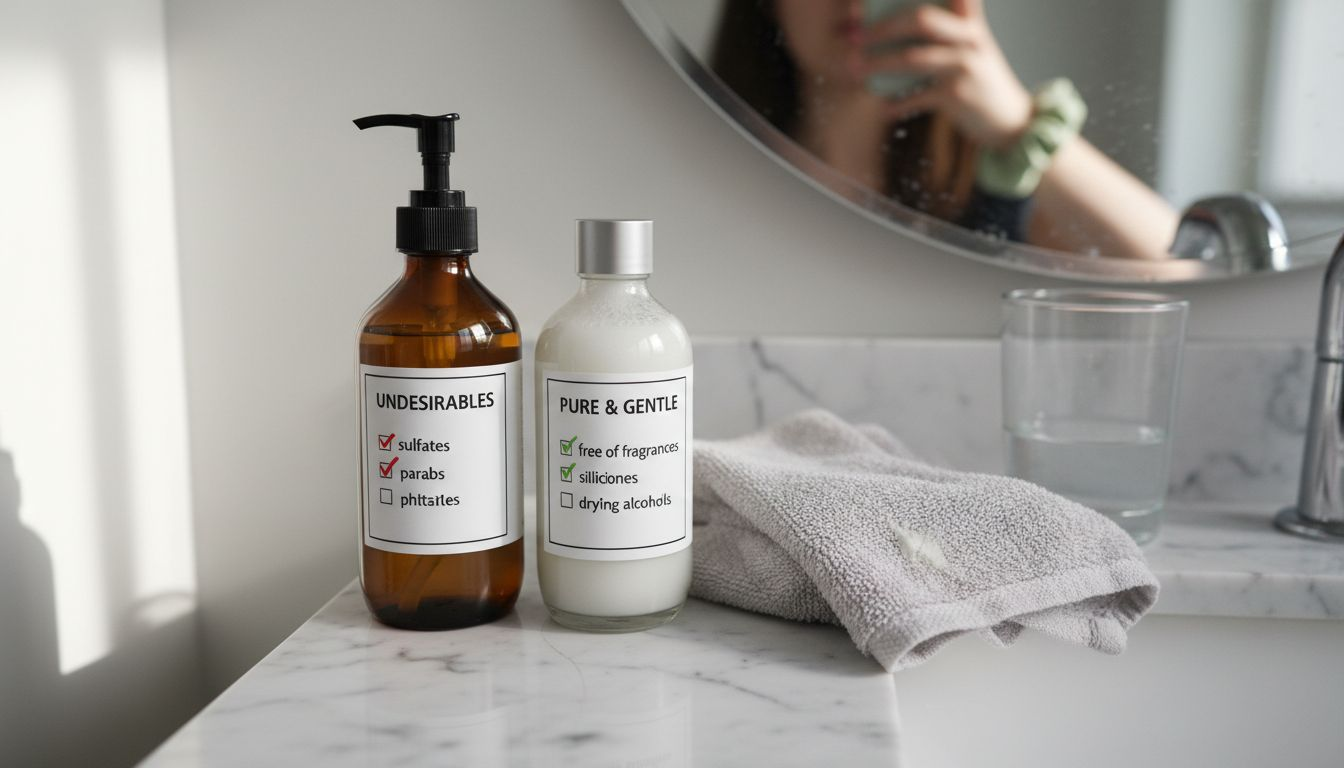
Pro Tip: Create a digital checklist of harmful ingredients on your smartphone to quickly reference while shopping for skincare products.
Compare harmful skincare ingredients and their potential effects:
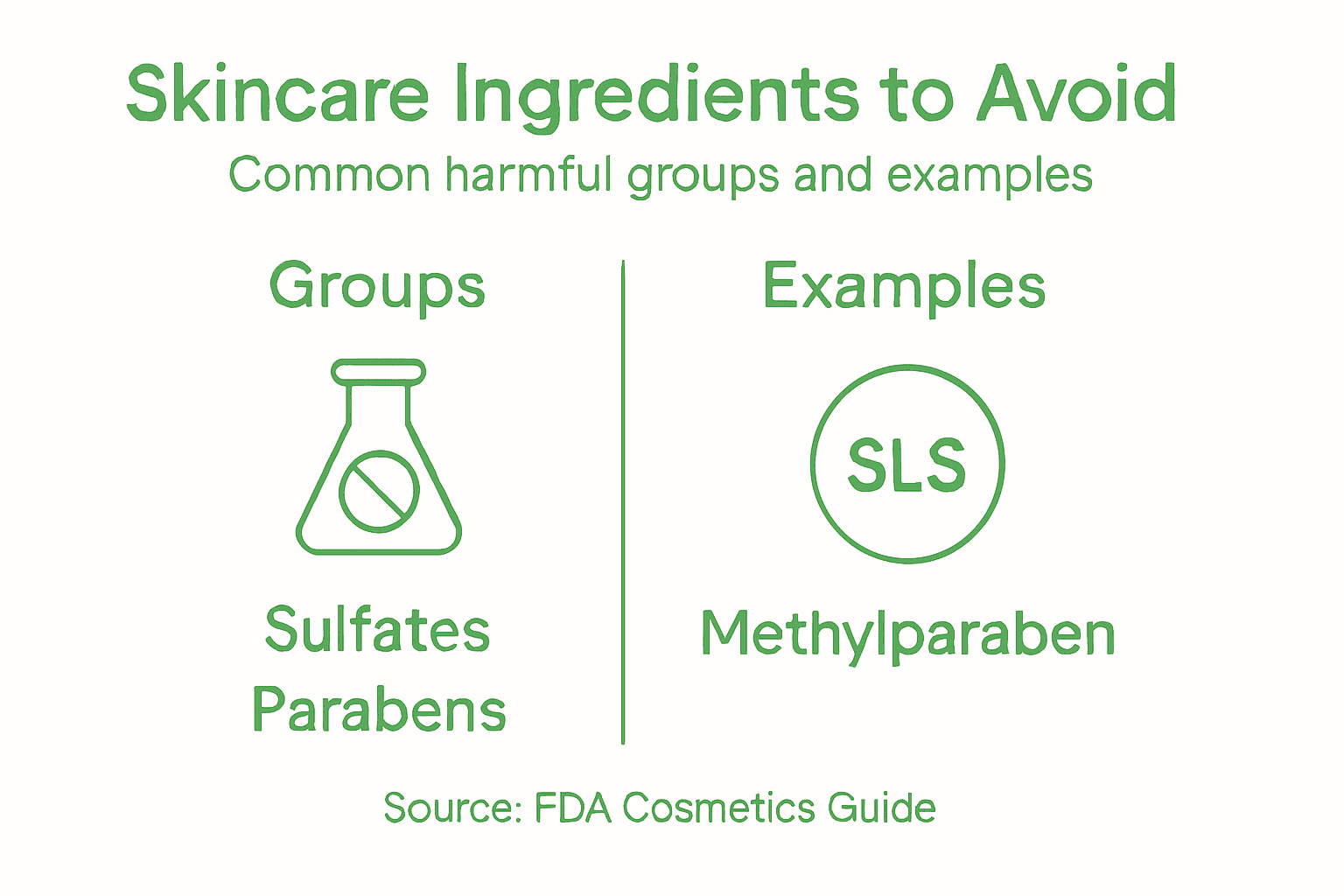
| Ingredient Group | Common Examples | Potential Health Impact |
|---|---|---|
| Parabens | Methylparaben, Propylparaben | May disrupt hormone function |
| Sulfates | Sodium Lauryl Sulfate | Strips natural oils, causes dryness |
| Synthetic Fragrances | Chemical scent blends | Skin irritation, allergic reaction |
| Formaldehyde Releasers | DMDM Hydantoin | Linked to cancer risk |
Step 3: Research ingredient sources for vegan and cruelty-free claims
Understanding the true meaning behind vegan and cruelty-free claims requires careful investigation beyond marketing labels. Your goal is to decode product claims and verify their authentic ethical standards.
Ethical skincare investigations reveal several key strategies for validating product claims. Look for recognized certifications like the Leaping Bunny logo or Naturewatch Foundation certification as reliable indicators of genuine cruelty-free practices. These third-party certifications provide more credibility than company statements, ensuring that no animal testing occurred during any stage of product development.
When researching ingredient sources, pay attention to detailed sourcing information. Check for clear statements about animal derivative exclusions, verify botanical ingredient origins, and investigate manufacturing processes. Ingredient safety panels can provide additional insights into ingredient composition and potential ethical concerns. Watch for specific terminology such as plant based, synthetic alternatives, and explicit statements about animal product exclusions.
Pro Tip: Download certification verification apps that can instantly scan product barcodes and validate vegan and cruelty-free claims.
Step 4: Verify skincare products against your clean list
Creating and maintaining a personalized clean skincare list requires strategic research and consistent verification. Your goal is to build a reliable screening process that protects your skin from potentially harmful ingredients.
Start by utilizing comprehensive ingredient safety databases that offer detailed product evaluations. These resources provide safety ratings based on ingredient toxicity, health risks, and regulatory information. Cross reference your personal clean list with these databases to validate product claims and ingredient safety. Cosmetic labeling regulations provide additional guidance on understanding product labels and identifying potential red flags in ingredient listings.
Develop a systematic approach to verifying products. Create a digital spreadsheet or use a smartphone app to track ingredients you want to avoid. Compare each new product against this list before purchase. Pay special attention to ingredients in the first five positions on the label, as these constitute the product’s primary composition. Look for transparent brands that provide complete ingredient information and are willing to answer specific questions about their sourcing and manufacturing processes.
Pro Tip: Color code your clean list with green for safe ingredients, yellow for caution, and red for ingredients to strictly avoid.
Choose Cleaner Skincare for a Healthier You
Navigating skincare labels to avoid harmful ingredients like parabens, sulfates, and synthetic fragrances can feel overwhelming but it is essential for protecting your skin and overall health. If you struggle to find truly clean products that are vegan and cruelty-free while targeting your specific skincare needs explore our Natural Products for Sensitive Skin or Blemish Prone collections designed to deliver powerful results without toxic fillers.

Take control of your skincare routine by choosing products verified to be free of questionable chemicals and cruelty. At Claribelskincare.com every item is formulated with the most sought after active ingredients for healthier skin and ships for free in the US. Start building your personalized clean skincare list today and feel the difference safer choices make.
Frequently Asked Questions
What are the harmful ingredients I should avoid in skincare products?
To protect your skin, avoid ingredients like parabens, sulfates, and synthetic fragrances. Start by checking the ingredient list on products and eliminate those with these harmful substances from your skincare routine.
How can I identify if a skincare product is truly cruelty-free?
Look for third-party certifications such as the Leaping Bunny logo. Verify the product’s claims by ensuring it has credible certifications that confirm no animal testing is involved in its development.
How do I create a clean list of ingredients to avoid in skincare?
Develop a list by researching ingredients you want to avoid and their potential health impacts. Use a digital spreadsheet or app to track these ingredients and reference this list when evaluating new products.
Why is it important to check the first five ingredients on product labels?
The first five ingredients listed make up the majority of the product, influencing its effectiveness and potential effects on your skin. Always evaluate these ingredients closely to ensure they align with your clean skincare goals.
How can I quickly reference problematic ingredients while shopping?
Take a screenshot or photo of your list of harmful ingredients and keep it on your phone for easy access. This will help you make informed decisions without needing to memorize every ingredient to avoid.
What is the impact of synthetic fragrances in skincare products?
Synthetic fragrances can cause skin irritation and allergic reactions. To reduce potential adverse effects, opt for fragrance-free products or those that use natural essential oils instead.
