
Face Oil Explained: Benefits, Uses, and Safety
Over half of American adults report confusion about which face oils are safe or effective for their skin. In a crowded beauty market, it is easy to get lost among endless claims and complex ingredient lists. Understanding how face oils work and what sets them apart from regular moisturizers can help you make smarter choices for your skin health, from hydration to protection against everyday environmental stressors.
Table of Contents
- Defining Face Oil And Core Concepts
- Types Of Face Oils And Key Ingredients
- How Face Oils Benefit Skin Health
- How To Use Face Oil Effectively
- Risks, Safety, And Common Mistakes
Key Takeaways
| Point | Details |
|---|---|
| Benefits of Face Oils | Face oils provide intense hydration, support the skin’s barrier, and deliver essential nutrients without clogging pores. |
| Selecting the Right Oil | Choose face oils based on individual skin types and concerns to maximize effectiveness. |
| Application Technique | Use specific techniques like tapping and massage to enhance absorption for better results. |
| Safety Considerations | Be cautious with formulations on sensitive or acne-prone skin; perform patch tests and consult professionals when needed. |
Defining Face Oil and Core Concepts
Face oils are specialized skincare products designed to supplement and enhance the skin’s natural lipid barrier, providing targeted nourishment and hydration. Unlike traditional moisturizers, these concentrated botanical extracts work by delivering pure, potent nutrients directly to the skin’s surface. Discover the best oil for your skin requires understanding their fundamental composition and unique characteristics.
Traditionally, face oils function as occlusives and emollients, which means they create a protective barrier that locks in moisture while simultaneously softening skin texture. These products do not contain water, distinguishing them from standard serums or lotions. Their molecular structure allows them to penetrate deeper than water-based products, enabling them to deliver concentrated nutrients more effectively. Oils like jojoba, argan, and rosehip have specific properties that can address individual skin concerns such as hydration, anti-aging, and balancing natural oil production.
The core mechanism of face oils involves mimicking the skin’s natural sebum production. By providing lipids that are chemically similar to our skin’s own oils, these products can help regulate and balance skin health. Some key benefits include:
- Providing intense hydration without clogging pores
- Supporting the skin’s natural protective barrier
- Delivering concentrated antioxidants and essential fatty acids
- Helping to reduce inflammation and redness
- Promoting a more even, radiant skin tone
While face oils might seem intimidating for those with naturally oily skin, the right formulation can actually help normalize oil production. Understanding your specific skin type and choosing an appropriate oil is crucial for achieving optimal results.
Types of Face Oils and Key Ingredients
The world of face oils is diverse and complex, featuring a range of botanical extracts with unique properties tailored to different skin needs. Argan oil, sourced from the kernels of the Moroccan argan tree, stands out as a versatile ingredient renowned for its exceptional moisturizing and anti-aging properties. This liquid gold is packed with vitamin E and essential fatty acids that help nourish and protect the skin’s delicate surface.
Another powerhouse in the face oil category is rose hip seed oil, which offers remarkable skin regeneration benefits through its rich concentration of antioxidants and essential fatty acids. Extracted from wild rose species, this oil is particularly effective for addressing skin concerns like uneven texture, fine lines, and environmental damage. Its molecular structure allows for deep penetration, enabling it to support cellular repair and promote a more radiant complexion.
Key ingredients in high-quality face oils typically include:
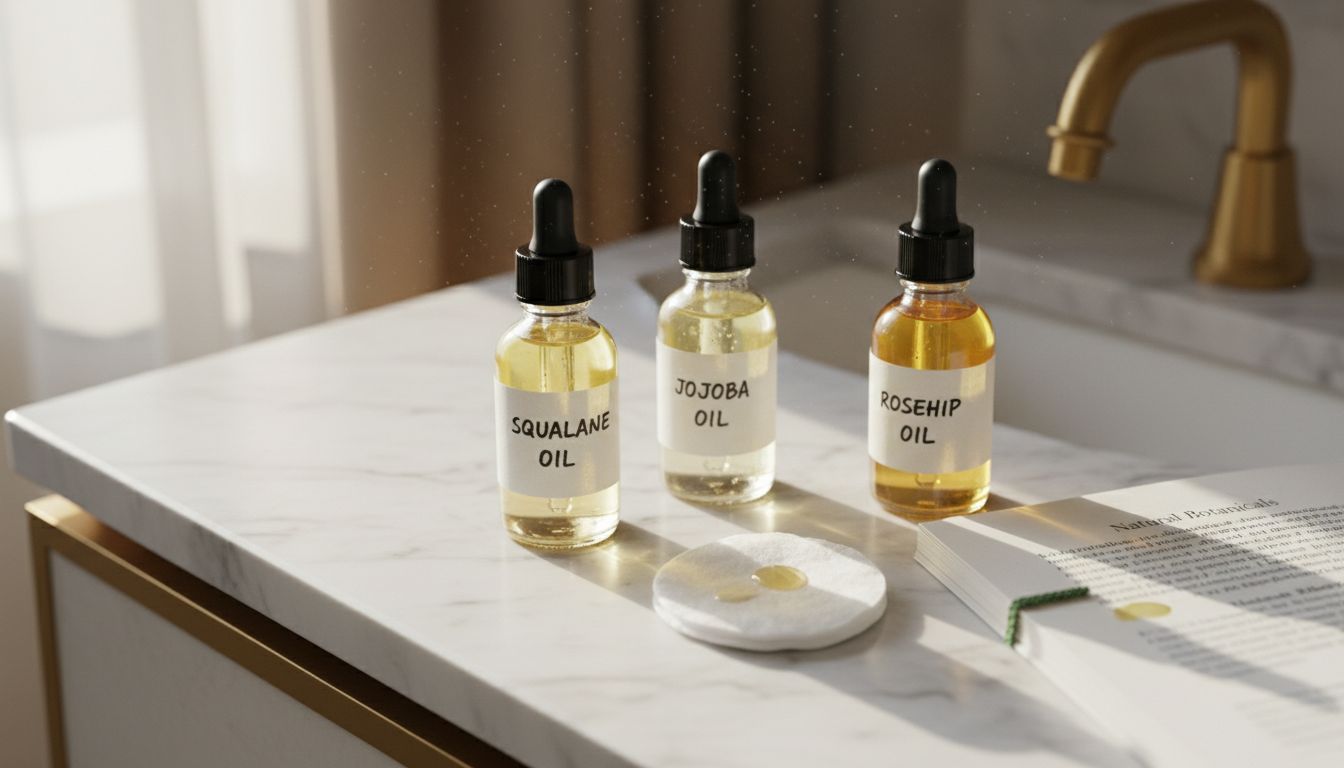
- Jojoba oil: Mimics human sebum, helping balance oil production
- Rosehip oil: Rich in vitamin C and supports collagen production
- Marula oil: Lightweight and high in antioxidants
- Squalane: Derived from olives, provides intense hydration
- Grapeseed oil: Helps control excess oil and minimize pores
Selecting the right face oil depends on individual skin type and specific concerns. Those with dry skin might benefit from richer oils like jojoba oil for skin care, while individuals with oily or acne-prone skin should opt for lighter, non-comedogenic options that won’t clog pores. Understanding the unique properties of each oil is crucial in developing an effective skincare routine that addresses your skin’s specific needs.
How Face Oils Benefit Skin Health
Face oils offer a transformative approach to skincare, providing multiple protective and regenerative benefits for overall skin health. These potent botanical extracts work far beyond simple moisturization, delivering concentrated nutrients that address multiple skin concerns simultaneously. By reinforcing the skin’s natural barrier, face oils help defend against environmental stressors while promoting cellular renewal and maintaining optimal hydration levels.
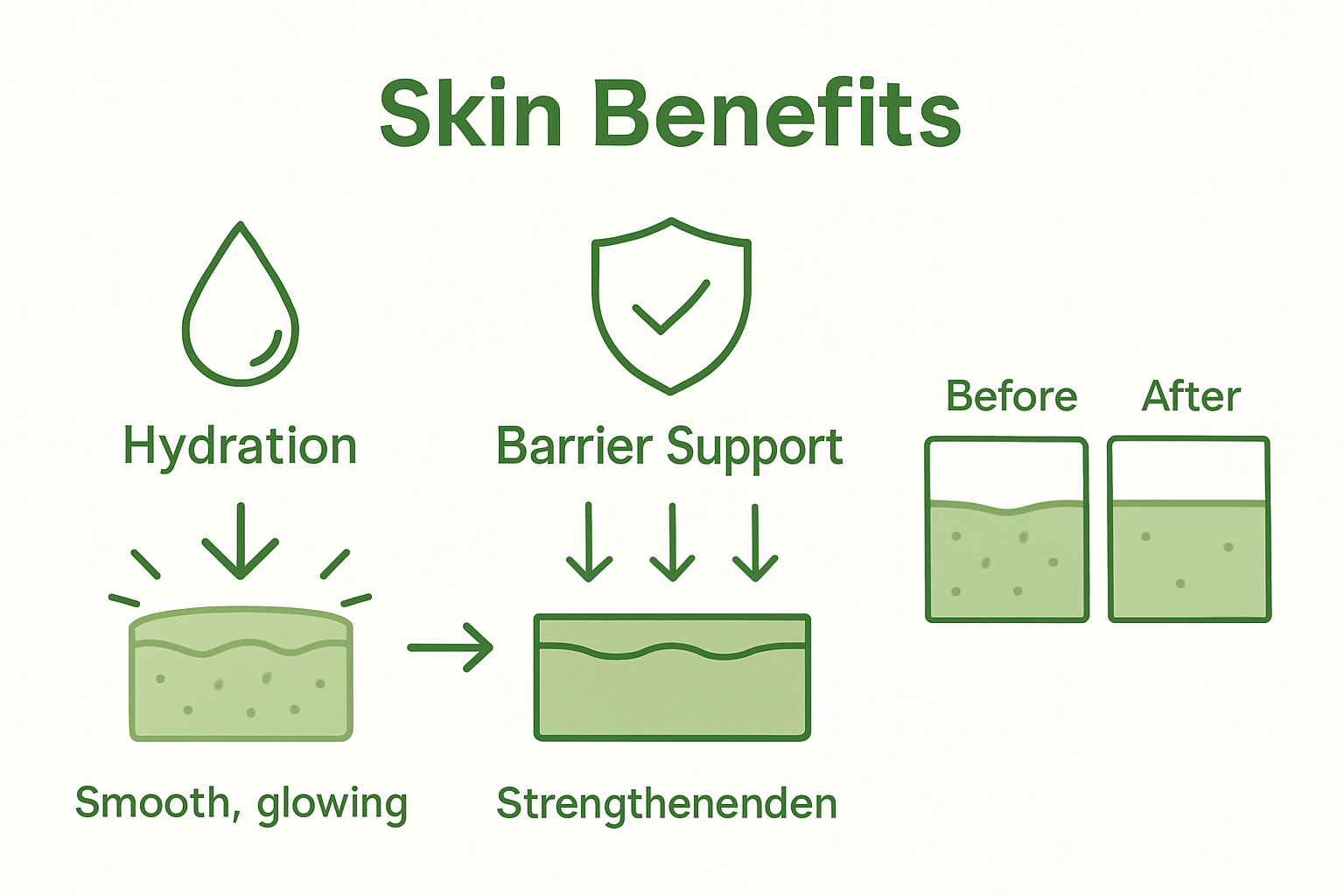
Skin barrier protection is perhaps the most critical function of face oils. These lipid-rich formulations help retain hydration and soften skin texture, creating a protective shield against external irritants. The unique molecular structure of face oils allows them to penetrate deeper than traditional moisturizers, enabling them to deliver antioxidants and essential fatty acids directly to the skin’s deeper layers.
Key benefits of incorporating face oils into your skincare routine include:
- Balancing natural skin oil production
- Reducing inflammation and redness
- Protecting against environmental damage
- Supporting collagen production
- Improving overall skin texture and appearance
Different skin types can benefit from targeted face oils, with options ranging from lightweight argan oil for addressing face wrinkles to more intensive hydrating formulas for dry skin. The key is understanding your specific skin concerns and selecting an oil that complements your unique skin profile, ultimately supporting long-term skin health and radiance.
How to Use Face Oil Effectively
Mastering the application of face oils requires understanding the nuanced techniques that maximize their effectiveness. Face oils work best when incorporated into a strategic skincare routine using specific massage techniques, designed to enhance absorption and stimulate skin health. The key is applying these potent botanical extracts with precision and care, ensuring optimal penetration and benefits.
Application technique is critical when using face oils. For individuals with very dry or inflamed skin, face oils can be particularly beneficial as emulsifiers, helping to remove makeup residue and environmental pollutants. Most skincare experts recommend following a specific sequence: cleanse, tone, apply a light mist, and then gently pat in 2-3 drops of face oil using upward and outward motions.
Step-by-step face oil application method:
- Cleanse skin thoroughly
- Apply toner or facial mist
- Warm 2-3 drops of oil between fingertips
- Gently press and massage into skin using upward strokes
- Focus on areas prone to dryness or fine lines
Different skin types require tailored approaches, which is why understanding your unique skin profile is essential. Jojoba oil offers remarkable benefits for various skin concerns, making it an excellent option for those seeking a versatile face oil. Start with a small amount and gradually increase as your skin adapts, paying close attention to how your skin responds to ensure maximum effectiveness and comfort.
Risks, Safety, and Common Mistakes
Skin sensitivity plays a crucial role in determining face oil safety, with certain skin conditions requiring extra caution. Individuals with acne-prone skin must be particularly careful, as some face oils can potentially clog pores and trigger breakouts. Not all oils are created equal, and selecting the wrong product can exacerbate existing skin challenges rather than improving them.
Common mistakes in face oil application can significantly impact skin health and effectiveness. Certain industrial oils have been linked to skin complications, underscoring the importance of using high-quality, skin-specific formulations. Potential risks include:
- Using non-comedogenic oils on acne-prone skin
- Applying too much product
- Skipping patch tests
- Mixing incompatible skincare ingredients
- Neglecting individual skin sensitivities
To mitigate potential risks, dermatologists recommend a cautious approach when introducing argan oil for addressing specific skin concerns. Start with a small amount, conduct a patch test, and introduce the oil gradually into your skincare routine. People with conditions like seborrheic dermatitis or rosacea should consult a skincare professional before incorporating new face oils, as some formulations might trigger inflammation or adverse reactions.
Unlock Radiant Skin with the Right Face Oil
Struggling to find a face oil that truly nourishes your skin without causing breakouts or irritation? This article highlights how choosing the right formulation balances oil production, hydrates deeply, and protects your natural skin barrier. If you want to embrace the benefits of pure, effective face oils that suit your unique skin type, our collection of Natural Serums offers vegan, cruelty-free options made with active ingredients and zero fillers.
Experience the transformation of your skincare routine today by exploring our thoughtfully crafted oils designed for every skin profile including oily or sensitive skin. Take control of your skin health now with Claribelskincare’s clean, powerful solutions and enjoy free shipping across the US. Start your journey at Claribelskincare.com and uncover the natural glow you deserve.
Frequently Asked Questions
What are the benefits of using face oil?
Face oils provide intense hydration, support the skin’s natural barrier, deliver antioxidants and essential fatty acids, reduce inflammation, and promote an even skin tone.
How do I choose the right face oil for my skin type?
Selecting the right face oil depends on your skin type and specific concerns. For dry skin, opt for richer oils, while lighter, non-comedogenic options are better for oily or acne-prone skin.
How should I apply face oil for maximum effectiveness?
For optimal results, cleanse your skin, apply toner, warm 2-3 drops of oil in your hands, and gently press it into the skin using upward and outward motions.
Are there any risks associated with using face oils?
Yes, certain oils can clog pores, especially for acne-prone skin. It’s important to choose high-quality, non-comedogenic oils and to perform patch tests to avoid adverse reactions.
Recommended
- Benefits of Argan Oil for Skin ৹ 10 That Will Surprise You – Claribelskincare.com
- Discover the Best Oil for Your Skin: An Expert Guide – Claribelskincare.com
- Jojoba Oil for Care: 7 Amazing Benefits – Claribelskincare.com
- Benefits of Jojoba Oil for the Skin: 7 You’ll Love Plus Recipes
- Role of Natural Oils for Lips: Complete Guide – Luméra Cosmetica
- Moringa Oil Skin Benefits ◦ Your Skin is Craving This