Phthalate-Free Skincare: Why It Matters Most
Finding safe beauty products can feel confusing when so many options seem similar at first glance. For women in Atlanta who care about clean beauty and ethical choices, the hidden risks behind common ingredients like phthalates matter more than ever. These synthetic chemicals are known as endocrine disruptors and can impact hormone balance, making the search for truly phthalate-free solutions an important step toward healthier, more conscious self-care. Learn how to spot misleading labels and discover what phthalate-free really means for your daily routine.
Table of Contents
- Phthalate-Free Defined And Common Misconceptions
- Types Of Phthalates In Beauty And Everyday Products
- Health Impacts Linked To Phthalate Exposure
- Reading Labels And Spotting Phthalate-Free Products
- Phthalate Regulations And The Clean Beauty Movement
Key Takeaways
| Point | Details |
|---|---|
| Understanding Phthalates | Phthalates are endocrine-disrupting chemicals used in many consumer products, posing significant health risks including hormone disruption and developmental issues. |
| Cumulative Exposure Risks | Exposure to phthalates is cumulative, with potential long-term health implications, making it essential to minimize exposure through informed consumer choices. |
| Importance of Label Reading | Consumers should read labels carefully, looking for “phthalate-free” certifications and avoiding products with vague terms like “fragrance” to reduce exposure risks. |
| Regulatory Landscape | Phthalate regulations vary by region, with the European Union enforcing stricter bans and safety requirements, highlighting the need for consumer advocacy for better protections in the United States. |
Phthalate-Free Defined and Common Misconceptions
Phthalates are synthetic chemicals widely used in personal care products to enhance flexibility and durability. Endocrine-disrupting chemicals that can significantly impact hormone regulation, these compounds have raised substantial health concerns among consumers and researchers alike.
Understanding what phthalates are helps demystify their potential risks. These industrial chemicals belong to a family of compounds primarily used to soften plastics and improve product consistency. They’re commonly found in:
- Nail polish
- Cosmetic products
- Skin lotions
- Perfumes and fragrances
- Flexible packaging materials
Hormone Disruption Mechanisms are particularly concerning. Research from Harvard indicates that prenatal exposure can impair brain development and potentially trigger neurodevelopmental disorders. This makes understanding phthalate risks crucial for health-conscious individuals.
Common misconceptions about phthalates often stem from incomplete information. Many people believe that small exposures are harmless, but scientific evidence suggests cumulative effects can be significant. The chemicals can enter our bodies through multiple routes - absorption through skin, ingestion from food packaging, and inhalation from household dust.
Phthalate exposure is not just about a single product, but the total chemical burden we accumulate over time.
Health Implications extend beyond immediate concerns. Potential long-term risks include:
- Reproductive system disruptions
- Potential fertility challenges
- Increased risk of metabolic disorders
- Potential developmental issues in children
Pro tip: When shopping for skincare, always read ingredient labels and look for “phthalate-free” certifications to minimize potential chemical exposure.
Types Of Phthalates In Beauty And Everyday Products
Phthalates are complex chemical compounds with diverse applications across multiple industries. Molecular variations determine their specific uses in consumer products, ranging from medical equipment to cosmetics and automotive components.
Typically, phthalates are categorized into two primary molecular weight classifications:
-
High-Molecular-Weight (HMW) Phthalates
- Comprise approximately 70% of market products
- Used in more durable applications
- Common in industrial and construction materials
-
Low-Molecular-Weight (LMW) Phthalates
- More volatile and flexible
- Frequently found in personal care products
- Higher potential for migration into environment
Chemical Characteristics play a crucial role in understanding their widespread use. These ortho-phthalate chemicals migrate easily through indoor environments, making exposure a significant concern for consumers.
Common product categories containing phthalates include:
- Cosmetic Products
- Personal Care Items
- Cleaning Supplies
- Packaging Materials
- Vinyl Flooring
- Medical Devices
Phthalate exposure is particularly high in products with synthetic fragrances and flexible plastic components.
Interestingly, research indicates that women, especially women of color, demonstrate higher phthalate levels in their bodies. This disproportionate exposure highlights the importance of understanding these chemicals and their potential health implications.
Pro tip: When selecting beauty and personal care products, prioritize brands that explicitly state “phthalate-free” on their packaging to minimize potential chemical exposure.
Health Impacts Linked To Phthalate Exposure
Phthalates represent a significant health concern, with extensive research documenting their potential risks. These endocrine-disrupting chemicals can profoundly impact human health across multiple physiological systems, creating long-term developmental and metabolic challenges.
The primary health risks associated with phthalate exposure include:
-
Reproductive System Disruptions
- Decreased testosterone levels
- Male reproductive tract developmental defects
- Reduced sperm quality
- Potential fertility challenges
-
Neurological Impacts
- Neurodevelopmental disorders
- Learning and attention problems
- Behavioral disorders in children
- Potential cognitive development interruptions
Endocrine system interference represents a critical concern for healthcare professionals. These chemicals can cross the placental barrier, potentially affecting fetal development and creating generational health implications.
Specific health conditions linked to chronic phthalate exposure include:
- Metabolic disorders
- Inflammatory diseases
- Potential carcinogenic risks
- Hormone imbalances
- Birth defects
The cumulative effect of phthalate exposure can create a complex web of health challenges that extend far beyond immediate symptoms.
Women and children appear to be more vulnerable to these chemical interactions, with research indicating higher absorption and more significant potential long-term health consequences. Understanding these risks is crucial for making informed choices about personal care and household products.
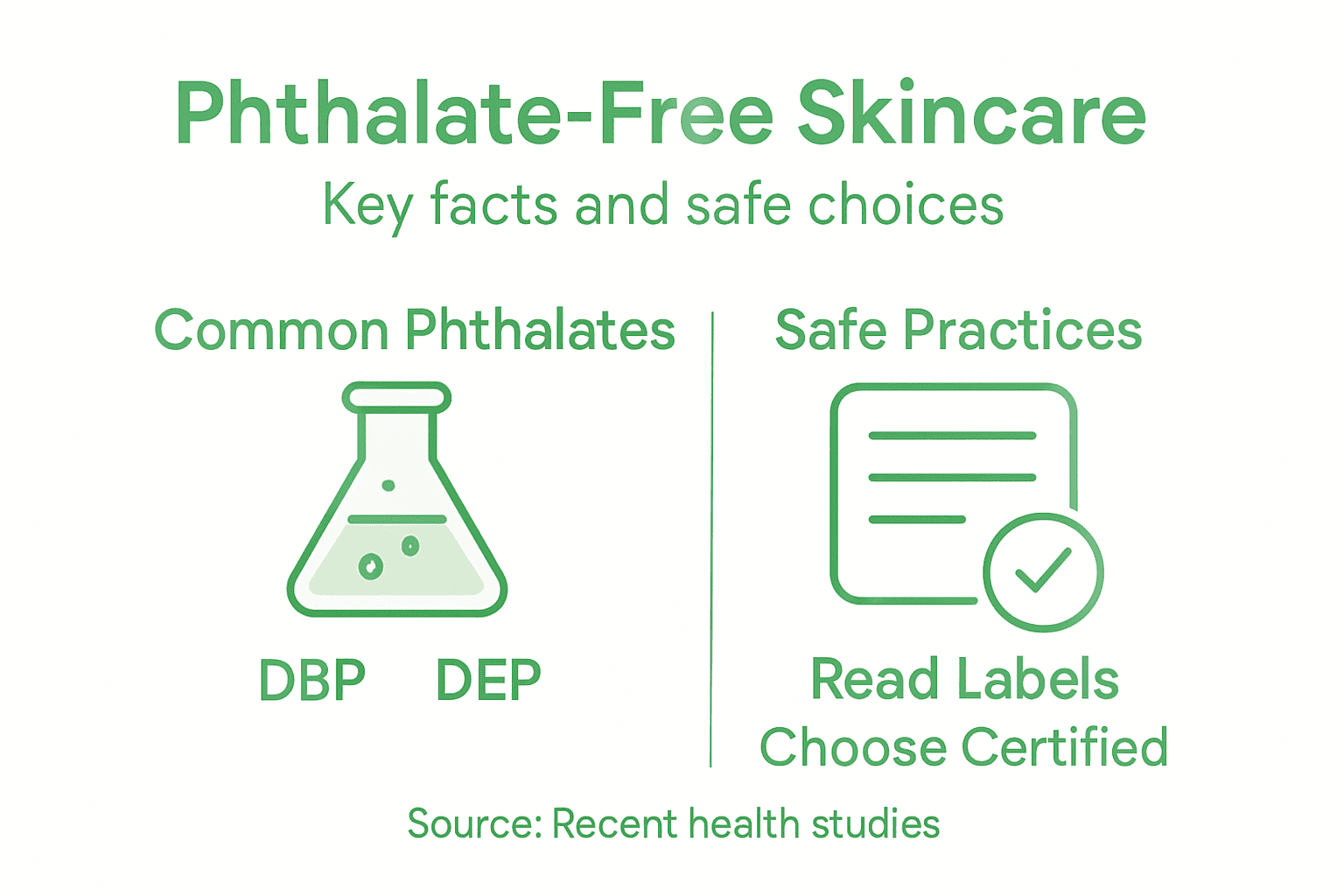
Pro tip: Regularly check product labels, choose phthalate-free alternatives, and minimize exposure through conscious consumer choices.
Reading Labels And Spotting Phthalate-Free Products
Decoding product labels requires careful attention, as phthalates are often hidden under misleading terminology. Consumers must develop a strategic approach to identify these potentially harmful chemicals in everyday personal care products.
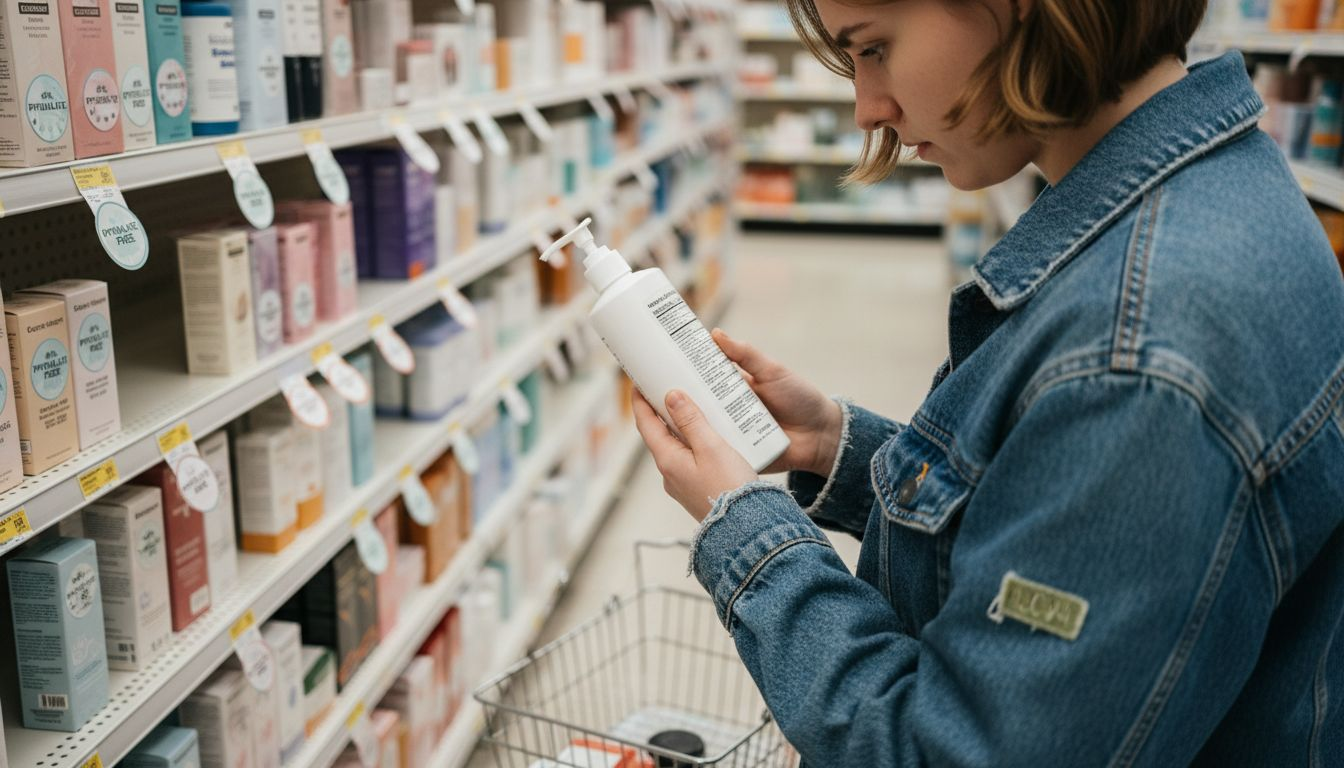
Key acronyms to watch for that indicate phthalate presence include:
For quick reference, here are key acronyms and what they indicate on cosmetic labels:
| Acronym | Full Chemical Name | Common Usage Area | Phthalate Presence |
|---|---|---|---|
| DBP | Dibutyl Phthalate | Nail polish, fragrances | Indicates phthalates |
| DEHP | Diethylhexyl Phthalate | Containers, packaging | Indicates phthalates |
| BBP | Benzyl Butyl Phthalate | Hair sprays, adhesives | Indicates phthalates |
| DMP | Dimethyl Phthalate | Perfume, deodorants | Indicates phthalates |
- DBP (Dibutyl Phthalate)
- DEHP (Diethylhexyl Phthalate)
- BBP (Benzyl Butyl Phthalate)
- DMP (Dimethyl Phthalate)
Most critically, consumers should be wary of ‘fragrance’ listings on product packaging. This catch-all term often conceals multiple undisclosed chemical compounds, including phthalates.
Spotting phthalate-free products requires understanding several key indicators:
- Look for explicit “Phthalate-Free” labeling
- Avoid products listing generic “fragrance”
- Choose products with transparent ingredient lists
- Prioritize natural and organic brands
- Select packaging made from glass or stainless steel
The term ‘fragrance’ on a label can be a red flag for hidden chemical cocktails.
Interestingly, regulatory standards vary significantly between regions. The European Union maintains stricter regulations compared to the U.S. FDA, which does not mandate comprehensive pre-market safety testing for cosmetic ingredients.
Pro tip: Develop a habit of scanning ingredient lists and downloading smartphone apps that help identify potentially harmful chemicals in personal care products.
Phthalate Regulations And The Clean Beauty Movement
Clean beauty advocates are driving significant change in consumer product safety regulations, challenging long-standing industry practices around chemical transparency and ingredient safety.
The regulatory landscape for phthalates varies dramatically between regions:
Here’s a comparison of phthalate regulations and consumer protection measures across the US and EU:
| Region | Phthalate Ban Scope | Cosmetic Oversight | Ingredient Transparency |
|---|---|---|---|
| United States | Partial bans in children’s products | Minimal FDA restrictions | Low, many chemicals undisclosed |
| European Union | Multiple phthalates fully banned | Mandatory pre-market safety testing | High, strict labeling rules |
| Impact on Consumers | Limited protection, higher exposure risk | Stronger health safeguards, clearer labels | Safer product choices, lower cumulative exposure |
-
United States Regulations
- Partial bans on phthalates in children’s products
- Limited federal oversight
- No comprehensive cosmetic ingredient restrictions
-
European Union Standards
- Comprehensive bans on multiple phthalates
- Mandatory pre-market safety testing
- Stricter consumer protection protocols
Clean beauty movement advocates continue pushing for more transparent labeling and comprehensive chemical regulations. Their primary goals include:
- Eliminating endocrine-disrupting chemicals
- Promoting ingredient transparency
- Reducing health disparities
- Encouraging safer product formulations
- Supporting environmental sustainability
Regulatory change begins with consumer awareness and collective demand for safer products.
Federal agencies like the EPA and FDA have begun implementing incremental regulations, but significant gaps remain in protecting consumers from potentially harmful chemicals. The clean beauty movement serves as a critical catalyst for industrywide transformation.
Pro tip: Support regulatory changes by voting with your wallet and choosing brands committed to transparent, safe ingredient sourcing.
Discover Truly Phthalate-Free Skincare with Claribel
The article highlights the hidden dangers of phthalates in everyday beauty products and the urgent need for clean, transparent ingredient choices. If you are concerned about endocrine-disrupting chemicals, cumulative chemical exposure, and the long-term effects on your health, you are not alone. Key challenges include spotting misleading “fragrance” labels, avoiding synthetic fillers, and protecting your skin and body from hormone disruptors.
At Claribel Skincare, we understand your goals to prioritize safety without sacrificing effectiveness. Our organic, vegan, cruelty-free products are carefully formulated without phthalates, parabens, sulfates, and other toxic chemicals. Claribel offers a simple solution to reduce your chemical burden and support healthy, radiant skin with clean, small-batch skincare made in Atlanta.
Ready to make the switch to genuinely safe skincare? Explore our thoughtfully crafted collection now at Claribel Skincare. Take control of your beauty routine today and experience the confidence that comes from using truly phthalate-free products designed with your wellness in mind.
Frequently Asked Questions
What are phthalates, and why are they a concern in skincare products?
Phthalates are synthetic chemicals used to enhance the flexibility and durability of personal care products. They are endocrine disruptors that can impact hormone regulation, leading to potential health risks such as reproductive system disruptions and developmental issues.
How can I identify phthalate-free skincare products?
Look for explicit “phthalate-free” labeling on the product packaging. Additionally, avoid products with vague terms like “fragrance,” which often contain undisclosed phthalates.
What are the health implications of using products containing phthalates?
Using products with phthalates can lead to various health issues, including reproductive system disruptions, neurological impacts, and potential developmental problems in children. Long-term exposure may increase the risk of metabolic disorders and hormone imbalances.
Why is it important to choose phthalate-free skincare products?
Choosing phthalate-free skincare products helps minimize your exposure to harmful chemicals. This is particularly important for pregnant women and children, as their developing bodies may be more susceptible to the adverse effects of endocrine disruptors.