


Over 60 percent of American skincare products still contain parabens, raising concerns for health-conscious women who want safer routines. Choosing clean, vegan beauty options means taking a closer look at ingredients and questioning what might be quietly hiding in your daily essentials. This guide breaks down what parabens really are, clears up common misconceptions, and empowers you to identify safer choices for glowing skin without compromise.
Table of Contents
- Parabens Defined: Chemicals and Common Misconceptions
- Types of Parabens in Cosmetics and Personal Care
- How Parabens Work as Preservatives
- Potential Health Effects Linked to Parabens
- U.S. Cosmetic Regulations for Parabens
- Paraben-Free Alternatives for Safer Skincare
Key Takeaways
| Point | Details |
|---|---|
| Understanding Parabens | Parabens are synthetic preservatives used to prevent microbial growth in cosmetics, but they may have potential health concerns linked to hormonal disruption. |
| Regulatory Standards | In the U.S., parabens are generally recognized as safe at approved concentrations, while regulations vary globally, especially in the European Union. |
| Paraben-Free Options | Health-conscious consumers are increasingly seeking paraben-free products, utilizing safer, more natural preservation methods to avoid potential health risks. |
| Informed Choices | When selecting skincare products, it is essential to read ingredient labels carefully and consider alternatives to ensure product safety and efficacy. |
Parabens Defined: Chemicals and Common Misconceptions
Parabens represent a class of synthetic chemical preservatives widely used in cosmetic and pharmaceutical industries to prevent bacterial and fungal growth. Organic compounds with preservative properties like methylparaben, ethylparaben, propylparaben, and butylparaben serve a critical function in extending product shelf life by inhibiting microbial contamination.
These manufactured chemicals function by disrupting bacterial cell membranes, effectively stopping the growth of potentially harmful microorganisms. While they occur naturally in some instances, most parabens found in personal care products are synthetically produced. Antimicrobial chemical preservatives have been standard in cosmetics, processed foods, and pharmaceuticals for decades, helping maintain product safety and preventing spoilage.
Despite their widespread use, parabens have become controversial due to potential health concerns. Some scientific research suggests they might demonstrate mild estrogenic activity, which has raised questions about their long-term impact on human hormonal systems. While current regulatory standards consider them safe at approved concentrations, ongoing research continues to examine their potential interactions with human biochemistry.
Pro tip: When selecting skincare products, carefully review ingredient labels and look for paraben-free options if you have specific health concerns or sensitivity to these preservatives.
Types of Parabens in Cosmetics and Personal Care
In the world of cosmetic preservation, several specific parabens stand out as the most commonly used ingredients. Commonly used preservatives in personal care products include methylparaben, ethylparaben, propylparaben, and butylparaben. Each of these chemical compounds plays a unique role in preventing microbial growth and extending product shelf life.
Methylparaben and propylparaben are particularly notable, with the FDA recognizing them as Generally Recognized As Safe (GRAS) for food use. However, regulations vary globally, with European Union standards more strictly limiting certain paraben concentrations. Parabens in cosmetic formulations are strategically used across a wide range of products, including deodorants, shower gels, facial creams, and makeup foundations.
The potency and potential health impacts of parabens can vary based on their molecular structure. Longer chain parabens, such as butylparaben, tend to demonstrate stronger estrogenic effects, which has prompted increased scrutiny from regulatory bodies. Some less common parabens, like benzylparaben, lack sufficient safety data and are used less frequently in commercial formulations.
Pro tip: Always read product ingredient labels carefully and look for specific paraben types if you have sensitivity concerns or prefer to minimize exposure to certain preservative chemicals.
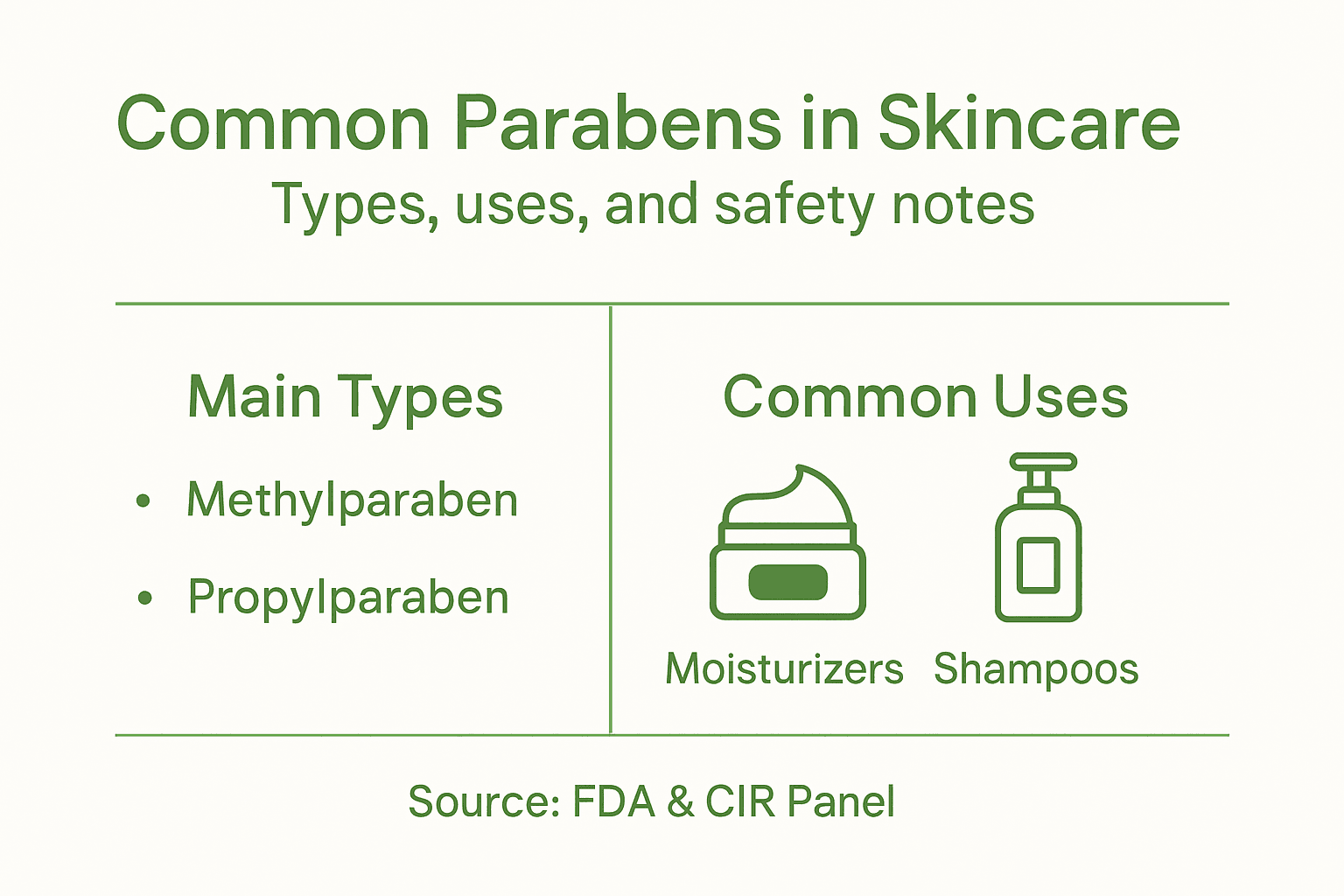
Here’s a summary of the most common parabens and their characteristics:
| Paraben Type | Common Uses | Relative Potency | Regulatory Notes |
|---|---|---|---|
| Methylparaben | Lotions, shampoos | Low | GRAS in U.S.; often limited in EU |
| Ethylparaben | Creams, sunscreens | Low | Monitored, less commonly used |
| Propylparaben | Deodorants, makeup | Moderate | GRAS in U.S.; stricter in EU |
| Butylparaben | Foundations, creams | Higher | Heavily restricted in EU |
How Parabens Work as Preservatives
Antimicrobial preservation mechanisms in skincare products rely on parabens’ unique ability to prevent microbial growth and product degradation. These synthetic compounds are colorless, odorless, and remarkably stable across various environmental conditions, making them ideal preservatives for cosmetic formulations. Their primary function is to stop bacteria, molds, and yeasts from contaminating products, especially in warm and moisture-rich environments.
Parabens work by strategically disrupting microbial cell membranes and inhibiting critical biochemical processes. Broad-spectrum antimicrobial agents target the fundamental survival mechanisms of microorganisms, interfering with enzyme production, DNA synthesis, and cellular transport systems. This multi-layered approach ensures comprehensive protection against potential contamination, extending product shelf life without altering the product’s core characteristics like color, texture, or fragrance.
The effectiveness of parabens stems from their molecular structure, which allows them to penetrate microbial cell walls while remaining stable under different pH levels and temperature ranges. When absorbed through the skin, these preservatives are quickly metabolized and excreted, minimizing potential systemic risks. Their widespread use in cosmetics, pharmaceuticals, and food industries underscores their reliability as a preservation solution.
Pro tip: Check product labels for specific paraben types and concentrations to make informed decisions about the preservatives in your skincare routine.
Potential Health Effects Linked to Parabens
Endocrine-disrupting chemical concerns have raised significant questions about the long-term safety of parabens in skincare and personal care products. These synthetic preservatives can potentially interfere with the body’s hormone systems, triggering ongoing scientific investigations into their broader health implications. While current research has not established definitive causal relationships, the potential for disruption remains a critical area of scientific scrutiny.
Animal studies have suggested possible links between parabens and reproductive health complications, with some research indicating potential interactions with hormone-sensitive tissues. However, epidemiological data remain inconclusive, and scientific reviews of paraben toxicology emphasize that these compounds demonstrate low dermal toxicity and are rapidly metabolized by the human body. The scientific community continues to debate the potential long-term consequences of repeated exposure.
The complexity of paraben research lies in their ubiquitous presence in consumer products and the challenges of isolating their specific health impacts. Rare allergic reactions have been documented, but systemic risks appear minimal based on current scientific understanding. Researchers caution that premature substitution with less-studied preservatives might introduce unknown health risks, underscoring the importance of continued rigorous scientific investigation.
Pro tip: Stay informed about ongoing research and consult with healthcare professionals if you have specific concerns about paraben exposure in your personal care products.
U.S. Cosmetic Regulations for Parabens
FDA regulations on cosmetic ingredients provide a comprehensive framework for managing paraben use in personal care products. Under the Federal Food, Drug, and Cosmetic Act, cosmetic manufacturers must transparently list all paraben ingredients on product labels, ensuring consumers have clear information about the preservatives in their skincare items. The regulatory approach emphasizes transparency and safety monitoring rather than strict pre-market approval processes.
The Cosmetic Ingredient Review (CIR) Expert Panel plays a crucial role in assessing paraben safety, with their 2018 comprehensive review concluding that parabens remain safe for cosmetic use at current concentrations. Cosmetic ingredient safety standards typically limit total paraben concentrations to approximately 0.8%, with specific guidelines for different types of parabens. Methylparaben and propylparaben have been designated as Generally Recognized As Safe (GRAS) for use in food and personal care products, reflecting their long-standing regulatory acceptance.
Interestingly, the U.S. regulatory approach differs from some international standards, maintaining a balanced perspective that allows continued use while supporting ongoing scientific research. The FDA maintains active surveillance, remaining open to new scientific evidence that might necessitate changes in current guidelines. This approach ensures that regulatory standards can evolve with emerging scientific understanding, prioritizing consumer safety and scientific rigor.
Pro tip: Always review ingredient lists carefully and stay informed about current regulatory guidelines when selecting personal care products.
Paraben-Free Alternatives for Safer Skincare
Consumer-driven cosmetic safety trends have sparked significant innovation in alternative preservative technologies. Health-conscious consumers increasingly seek skincare products that utilize safer, more natural preservation methods. Modern alternatives include synthetic options like phenoxyethanol and ethylhexylglycerin, as well as natural antimicrobial extracts that provide effective product protection without potential hormone-disrupting concerns.
The landscape of paraben alternatives has expanded dramatically, offering multiple preservation strategies. Organic acids, essential oil extracts, and innovative synthetic compounds now provide comprehensive protection against microbial growth. Natural preservative technologies are particularly appealing, with brands developing formulations using ingredients like rosemary extract, grape seed extract, and sodium levulinate that offer robust antimicrobial protection while maintaining product integrity.
Understanding these alternatives requires careful ingredient evaluation. Some emerging preservative technologies leverage combinations of natural and synthetic compounds to create highly effective, broad-spectrum protection. Consumers should look for transparent labeling, research ingredient functions, and prioritize products from brands committed to rigorous safety standards and innovative preservation techniques.
The following table compares parabens to alternative preservative options:
| Preservative Type | Example Ingredients | Main Advantage | Common Concern |
|---|---|---|---|
| Parabens | Methylparaben, propylparaben | Broad-spectrum efficacy | Potential hormone effects |
| Synthetic Alternatives | Phenoxyethanol, ethylhexylglycerin | Low allergy rate | Limited long-term research |
| Natural Extracts | Rosemary, grape seed | Plant-derived and mild | May affect product stability |
Pro tip: Investigate product ingredient lists thoroughly and prioritize brands that clearly communicate their preservation strategies and commitment to safer skincare formulations.
Choose Safe Skincare Free From Parabens and Toxic Chemicals
The article highlights the challenges of worrying about parabens and their potential hormone-disrupting effects in personal care products. If you are looking to avoid preservatives like methylparaben or propylparaben and want skincare that is both effective and gentle on your body consider switching to products formulated with clean, vegan, and cruelty-free ingredients. Paraben-free options help you reduce exposure to synthetic chemicals without sacrificing the powerful active ingredients your skin needs.

Discover skincare that truly cares about your health at Claribel Skincare. Our products contain zero fillers or toxic chemicals and ship free anywhere in the US. Take control today by choosing safe alternatives crafted to support your skin’s natural balance while avoiding potentially harmful preservatives. Visit our clean skincare collection now and make the confident choice for healthier skin and peace of mind.
Frequently Asked Questions
What are parabens?
Parabens are synthetic chemical preservatives used in cosmetics and personal care products to prevent bacterial and fungal growth, extending product shelf life.
Are parabens safe for use in skincare products?
Current regulatory standards deem parabens safe at approved concentrations, but their long-term effects are still under investigation due to concerns over potential hormonal disruption.
What are some common types of parabens found in cosmetics?
Common types of parabens include methylparaben, ethylparaben, propylparaben, and butylparaben, each serving specific roles in preserving products.
What are the alternatives to parabens in skincare products?
Alternatives to parabens include synthetic preservatives like phenoxyethanol and natural options like essential oil extracts or organic acids, which provide effective antimicrobial protection without potential hormone-related concerns.