What is Skin Microbiome? Maintaining a Healthy Balance

What is Skin Microbiome? Maintaining a Healthy Balance
Most American adults do not realize their skin is home to trillions of microorganisms working silently every day. These invisible communities are essential for healthy skin and play a vital role in protecting against harmful bacteria and environmental stress.
Understanding how your skin microbiome functions means better choices for care, fewer unexpected skin issues, and improved overall skin resilience for people from every walk of life.
Table of Contents
- What Is Skin Microbiome and Its Role
- Key Microbes Found on Human Skin
- How Skin Microbiome Affects Skin Health
- Factors That Disrupt a Healthy Microbiome
- Maintaining Balance with Clean Beauty Products
Key Takeaways
| Point | Details |
|---|---|
| Understanding the Skin Microbiome | The skin microbiome is a diverse community of microorganisms that protect skin health and can be impacted by various factors. |
| Role of Beneficial Microbes | Key microbes like Staphylococcus and Malassezia play essential roles in regulating skin physiology and preventing infections. |
| Impact of Disruptive Factors | Environmental factors, harsh products, and lifestyle choices can destabilize the microbiome, leading to skin issues. |
| Importance of Clean Beauty Products | Clean beauty products maintain microbial diversity and support skin health by avoiding harmful chemicals and nurturing beneficial microbes. |
What Is Skin Microbiome and Its Role
The skin microbiome is a fascinating and complex ecosystem of microorganisms that live on our skin’s surface. These diverse microbial communities comprise an intricate network of bacteria, viruses, fungi, and microscopic mites that work together to protect and maintain skin health.
At its core, the skin microbiome represents a delicate balance of microorganisms that play critical roles in our body’s defense mechanisms. Key bacterial genera like Staphylococcus, Corynebacterium, Cutibacterium, and Micrococcus form the primary inhabitants of this dynamic ecosystem. These microbes are not passive residents but active participants in maintaining skin physiology, protecting against environmental challenges, and supporting our immune system.
Understanding the skin microbiome involves recognizing its multifaceted functions. These microorganisms act as a living shield, creating a physical and immunological barrier that prevents harmful pathogens from penetrating the skin. They help regulate inflammation, balance skin pH, and even contribute to wound healing processes. Each person’s skin microbiome is unique, influenced by factors like genetics, age, diet, lifestyle, and environmental exposures.
Pro Tip for Microbiome Care: Avoid harsh antibacterial products that disrupt your skin’s natural microbial balance. Instead, opt for gentle cleansers and skincare products that support and nurture your skin’s delicate microorganism ecosystem.
Our Moon Glow Cleansing Cream is an excellent addition to your skin care routine as a clean list, vegan and organic cleanser:

Key Microbes Found on Human Skin
The human skin hosts an incredibly diverse microbial ecosystem featuring several prominent bacterial and fungal species that contribute to our skin’s complex biological landscape. Understanding these microbes helps us appreciate the intricate balance that maintains skin health and protection.
Three primary bacterial genera dominate the skin microbiome. Staphylococcus, Corynebacterium, and Cutibacterium are the most prevalent, each playing unique roles in skin physiology. Aerobic bacterial species like Propionibacterium acnes are especially concentrated in hair follicles and sebaceous glands, where they help regulate oil production and prevent harmful bacterial overgrowth.
Beyond bacteria, fungi also play a significant role in skin microbiome composition. Malassezia fungi are particularly common in sebaceous areas, contributing to the skin’s microbial diversity. Gram-negative bacteria such as Acinetobacter and Pseudomonas species are also present, with their populations fluctuating based on seasonal changes, temperature, humidity, and individual skin conditions.
Here is a comparison overview of primary skin microbes and their key contributions:
| Microbe Type | Common Genera | Typical Locations | Main Contribution |
|---|---|---|---|
| Bacteria | Staphylococcus, Corynebacterium, Cutibacterium | Skin surface, hair follicles | Pathogen defense, oil regulation |
| Fungi | Malassezia | Sebaceous (oil-rich) areas | Balances oil, supports diversity |
| Gram-negative Bacteria | Acinetobacter, Pseudomonas | Varies by season, humidity | Environmental adaptation |
| Mites & Viruses | Demodex mites, diverse viruses | Entire skin surface | Microbial community balance |
Pro Tip for Microbe Management: Maintain a balanced skin microbiome by using pH-balanced cleansers and avoiding harsh antibacterial products that can disrupt the delicate microbial ecosystem. Gentle, microbiome-friendly skincare supports your skin’s natural protective mechanisms.
How Skin Microbiome Affects Skin Health
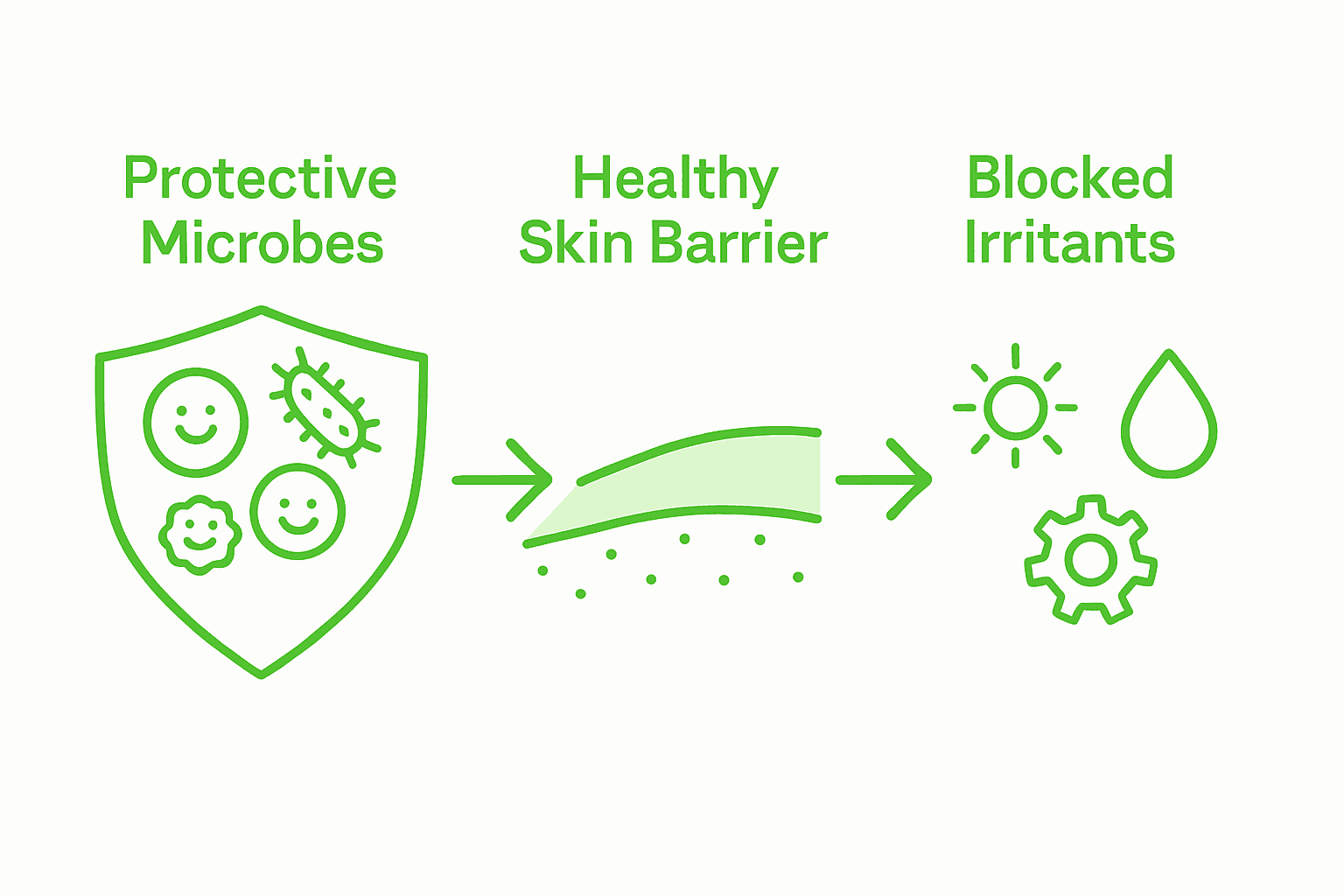
The skin microbiome plays a critical role in maintaining overall skin health through complex interactions that go far beyond simple microbial presence. These microscopic inhabitants act as a sophisticated defense system, working continuously to protect and regulate our skin’s physiological processes.
One of the most remarkable functions of the skin microbiome is its ability to prevent pathogenic invasion. Commensal microbes produce specialized metabolites that create an inhospitable environment for harmful bacteria, effectively blocking potential infections. They generate free fatty acids that acidify the skin surface, making it difficult for dangerous microorganisms to survive. Additionally, these beneficial microbes stimulate the production of antimicrobial peptides and modulate immune responses, providing a sophisticated multilayered protection mechanism.
The skin microbiome also significantly impacts skin barrier function and overall skin appearance. By maintaining epithelial integrity, regulating inflammation, and supporting the skin’s natural pH balance, these microorganisms help prevent common skin issues like dryness, sensitivity, and premature aging. Different areas of the body harbor unique microbial populations, each adapted to specific environmental conditions and contributing to localized skin health.
Pro Tip for Microbiome Support: Incorporate prebiotic and probiotic skincare products that nourish beneficial microbes and support a balanced skin ecosystem. Avoid harsh cleansers that strip your skin’s natural protective microbial layer, and opt for gentle, microbiome-friendly formulations that maintain your skin’s natural defense mechanisms.
Factors That Disrupt a Healthy Microbiome
Disruptions in the skin microbiome can significantly impact overall skin health and potentially trigger various skin conditions. These disruptions arise from a complex interplay of environmental, lifestyle, and physiological factors that can alter the delicate balance of microorganisms residing on our skin.
External environmental factors play a crucial role in microbiome destabilization. Frequent exposure to harsh chemicals, excessive use of antibacterial products, and dramatic temperature or humidity changes can dramatically reduce microbial diversity. Genetic predispositions and immune system interactions further complicate the microbiome’s vulnerability to inflammatory processes, creating potential pathways for skin disorders and chronic skin conditions.
Several specific factors can compromise microbiome health, including prolonged antibiotic use, poor diet, chronic stress, inadequate sleep, and environmental pollutants. Overuse of harsh skincare products, especially those containing strong preservatives or aggressive cleansing agents, can strip away protective microorganisms and disrupt the skin’s natural protective barrier. Hormonal changes, aging, and certain medical conditions can also significantly alter microbial populations, leading to increased skin sensitivity and potential inflammatory responses.
The following table summarizes common factors disrupting the skin microbiome and their specific effects:
| Disruptive Factor | Typical Impact on Skin Microbiome | Recommended Mitigation |
|---|---|---|
| Harsh chemical exposure | Reduces microbial diversity | Use gentle, pH-balanced products |
| Overuse of antibiotics | Eliminates beneficial microbes | Limit unnecessary antibiotic use |
| Poor diet and high stress | Increases microbiome vulnerability | Maintain balanced diet, reduce stress |
| Environmental changes | Fluctuates microbial populations | Protect skin from extremes |
| Aggressive cleansing agents | Removes protective organisms | Avoid strong preservatives |
Pro Tip for Microbiome Protection: Minimize microbiome disruption by choosing gentle, pH-balanced skincare products, maintaining a balanced diet rich in probiotics, and avoiding unnecessary antibiotic treatments. Prioritize skin microbiome health through holistic lifestyle approaches that support your body’s natural microbial ecosystem.
Our Moon Glow Cleansing Cream is an excellent addition to your skin care routine as a clean list, vegan and organic cleanser:

Maintaining Balance with Clean Beauty Products
Clean beauty products play a crucial role in supporting and preserving the skin’s delicate microbiome ecosystem, offering a thoughtful approach to skincare that goes beyond traditional cosmetic solutions. These products are specifically designed to maintain microbial diversity while avoiding harsh chemicals that could potentially disrupt the skin’s natural protective mechanisms.
The core philosophy of clean beauty revolves around selecting ingredients that nurture rather than compromise the skin’s microbiological balance. A holistic approach to skin health considers the intricate relationship between the microbiome, immune system, and overall skin structural integrity. This means choosing products that are free from potentially harmful preservatives, synthetic fragrances, and aggressive chemical compounds that might strip away beneficial microorganisms.
Effective microbiome-friendly skincare involves understanding the specific needs of your skin’s microbial ecosystem. Key considerations include selecting pH-balanced formulations, avoiding excessive antibacterial ingredients, and prioritizing gentle, natural compounds that support microbial diversity. Probiotic and prebiotic ingredients can be particularly beneficial, helping to feed and support the beneficial microbes that protect skin health and maintain its natural defensive capabilities.
Pro Tip for Microbiome-Friendly Skincare: Build a skincare routine that respects your skin’s natural microbiome by selecting products with minimal, clean ingredients. Rotate between different gentle cleansers and focus on hydration and protection rather than harsh stripping and excessive treatment.
Support Your Skin Microbiome with Clean Skincare Solutions
Maintaining a balanced and healthy skin microbiome is essential to protect against harmful pathogens and support your skin’s natural defense mechanisms. The article highlights the challenges posed by harsh chemicals and aggressive skincare products that disrupt your skin’s microbial ecosystem. If you want to nurture your skin’s unique microbiome and boost its resilience, it is crucial to choose gentle, microbiome-friendly formulations.

Discover our clean list, vegan, and cruelty-free products at Claribel Skincare. Every product is designed with the most sought-after active ingredients and contains zero fillers or toxic chemicals to maintain your skin’s natural pH balance and microbial diversity. Take control of your skin health today by exploring our effective and gentle skincare range to help you prevent microbial imbalance and achieve glowing, healthy skin. Shop now and enjoy free shipping across the US.
Frequently Asked Questions
What is the skin microbiome and why is it important?
The skin microbiome is an ecosystem of microorganisms, including bacteria, fungi, and viruses, that reside on our skin’s surface and play vital roles in protecting and maintaining skin health. It acts as a barrier against harmful pathogens, helps regulate inflammation, and contributes to the skin’s overall appearance.
How do external factors disrupt the skin microbiome?
External factors such as harsh chemicals, frequent use of antibacterial products, and fluctuating environmental conditions can decrease microbial diversity on the skin. These disruptions can lead to skin issues like dryness, sensitivity, and increased susceptibility to infections.
What can I do to support a healthy skin microbiome?
To support a healthy skin microbiome, use gentle, pH-balanced cleansers, avoid harsh skincare products, and incorporate prebiotic and probiotic ingredients into your routine. Maintaining a balanced diet and minimizing stress can also promote a healthy microbial ecosystem.
How does the skin microbiome affect common skin issues like acne?
The skin microbiome helps prevent acne by regulating oil production and blocking the growth of harmful bacteria. A balanced microbiome can reduce inflammation and maintain skin health, while disruptions can lead to conditions like acne and other inflammatory skin disorders.