What Is Skin Flooding and Why It Matters

Finding relief from city life’s dry skin can feel like a daily challenge when heaters blast through winter and pollution never lets up. Urban environments in the United States only magnify skin’s need for lasting moisture and protection against constant environmental stress. Layering hydration through skin flooding offers a clean, effective approach to reinforce your skin’s natural barrier and keep dryness at bay with targeted products and ingredients designed for eco-conscious women.
Table of Contents
- Skin Flooding Explained: Layering For Hydration
- Skin Flooding Variations And Product Types
- Key Benefits For Dry And Stressed Skin
- Step-By-Step Skin Flooding Routine Essentials
- Common Mistakes And What To Avoid
- Choosing Clean, Vegan Products For Skin Flooding
Key Takeaways
| Point | Details |
|---|---|
| Skin Flooding | A scientific method of layering hydrating products to strengthen the skin’s barrier and retain moisture more effectively. |
| Application Technique | Products should be applied from thinnest to thickest on damp skin for optimal absorption and layer synergy. |
| Customized Routines | Tailor your skin flooding routine based on individual skin needs, environmental factors, and product compatibility. |
| Consistent Practice | Regular application over time offers cumulative benefits, improving skin texture and hydration while addressing dryness and sensitivity issues. |
Skin flooding explained: Layering for hydration
Skin flooding sounds like a skincare trend invented by beauty influencers, but it’s actually rooted in science. The concept centers on a simple idea: your skin has a natural protective barrier called the stratum corneum, which acts as your body’s first line of defense against environmental stressors and moisture loss. When you “flood” your skin with hydration through strategic layering, you’re reinforcing this barrier and helping it retain water more effectively. Think of it like building protective walls in your urban apartment during dry winter months. Your skin needs multiple layers of defense to keep that precious moisture locked in, especially when you live in a city with heating systems running overtime and pollution constantly attacking your complexion.
The layering process works because different products penetrate your skin in different ways. When you apply products from thinnest to thickest consistency, you create pathways for hydration to sink deeper rather than sitting on the surface. Start with a hydrating toner or essence while your skin is still slightly damp from cleansing. This initial layer acts like a hydration base. Follow with a serum or treatment product containing active ingredients like hyaluronic acid or glycerin, which draw moisture into your skin. Then apply a lightweight moisturizer, and finally seal everything with a richer cream or oil if your skin needs it. Research shows that maintaining the skin’s barrier function through proper layering helps prevent transepidermal water loss, meaning your skin actually holds onto the hydration you’re giving it instead of letting it evaporate throughout the day.
What makes skin flooding particularly valuable for urban women is that it counteracts the dehydrating effects of city living. Central heating, air conditioning, pollution, and stress all conspire to strip moisture from your skin. By layering hydrating products, you’re not just adding moisture temporarily. You’re actively supporting your skin’s natural ability to maintain hydration on a cellular level. The key difference between haphazardly applying moisturizer and intentional skin flooding is that layering creates cumulative hydration benefits. Each product layer works synergistically with the others, amplifying moisture retention rather than just adding one moisturizer on top. For anyone dealing with dryness, sensitivity, or environmental stressors, this approach transforms your skincare routine from a quick fix into a targeted hydration strategy that actually works.
Pro tip: Apply each product to damp skin rather than waiting for it to dry completely, as damp skin allows better absorption and helps seal in moisture between layers.
Skin flooding variations and product types
Not all skin flooding routines look the same, and that’s exactly the point. Your skin has unique needs based on your environment, genetics, and daily stressors, so your hydration strategy should reflect that reality. The beauty of skin flooding is its flexibility. Whether you’re battling extreme dryness from Chicago winters or dealing with dehydration caused by pollution exposure in an urban setting, you can customize your approach using different product types. The key variation comes down to selecting topical products for hydration that match your skin’s specific demands. Some women need heavy, occlusive creams that seal in moisture like armor, while others benefit more from lightweight serums and hydrating mists that won’t feel greasy under city makeup.
Let’s break down the main product types you’ll use in a skin flooding routine. Toners and essences form your foundation layer, delivering lightweight hydration and priming your skin to absorb everything that comes next. Serums pack concentrated active ingredients like hyaluronic acid, peptides, or glycerin into lightweight formulas that penetrate deeply. Creams and moisturizers provide the middle layer of hydration and nourishment, with varying thickness levels depending on your needs. Ointments and oils act as your final seal, locking all that hydration inside through an occlusive barrier. Then there are hydrating masks, which work as intensive treatments you can use 2-3 times weekly for an extra hydration boost. Natural and organic skincare routines offer variations specifically designed for maximum moisture retention without irritation, which matters tremendously if you have sensitive skin or react to synthetic ingredients.
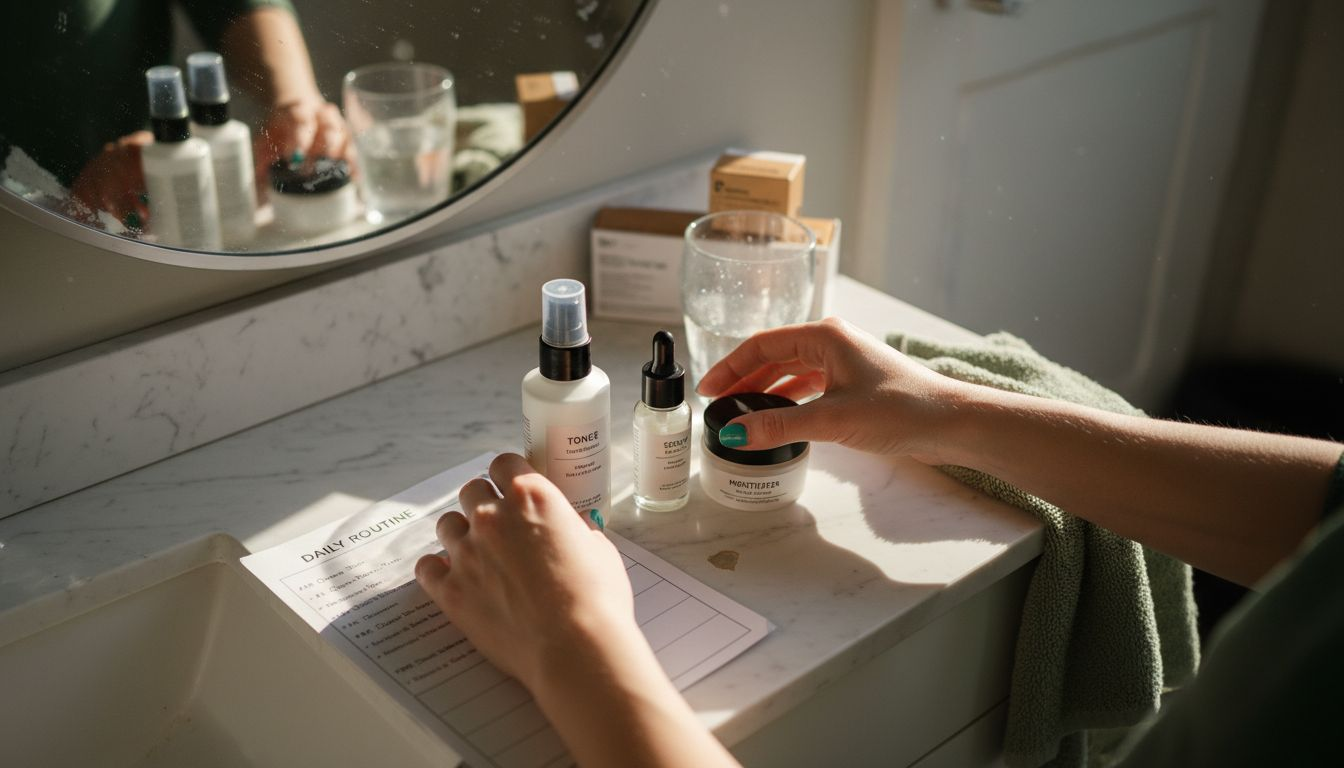
The real strategy behind choosing product types involves understanding your skin’s moisture barrier and what it actually needs. If you’re dealing with severely dry skin, you might start with a hydrating toner, add a serum with humectants, layer a rich cream, and seal everything with a facial oil. But if your skin leans more toward normal or combination, you might skip the oil and use a lighter moisturizer instead. Urban women especially should consider adding a hydrating spray or mist to their routine, something you can refresh throughout the day when central heating and air conditioning are constantly pulling moisture from your skin. The variations aren’t random choices. They’re strategic selections based on your specific situation, climate, and skin sensitivity.
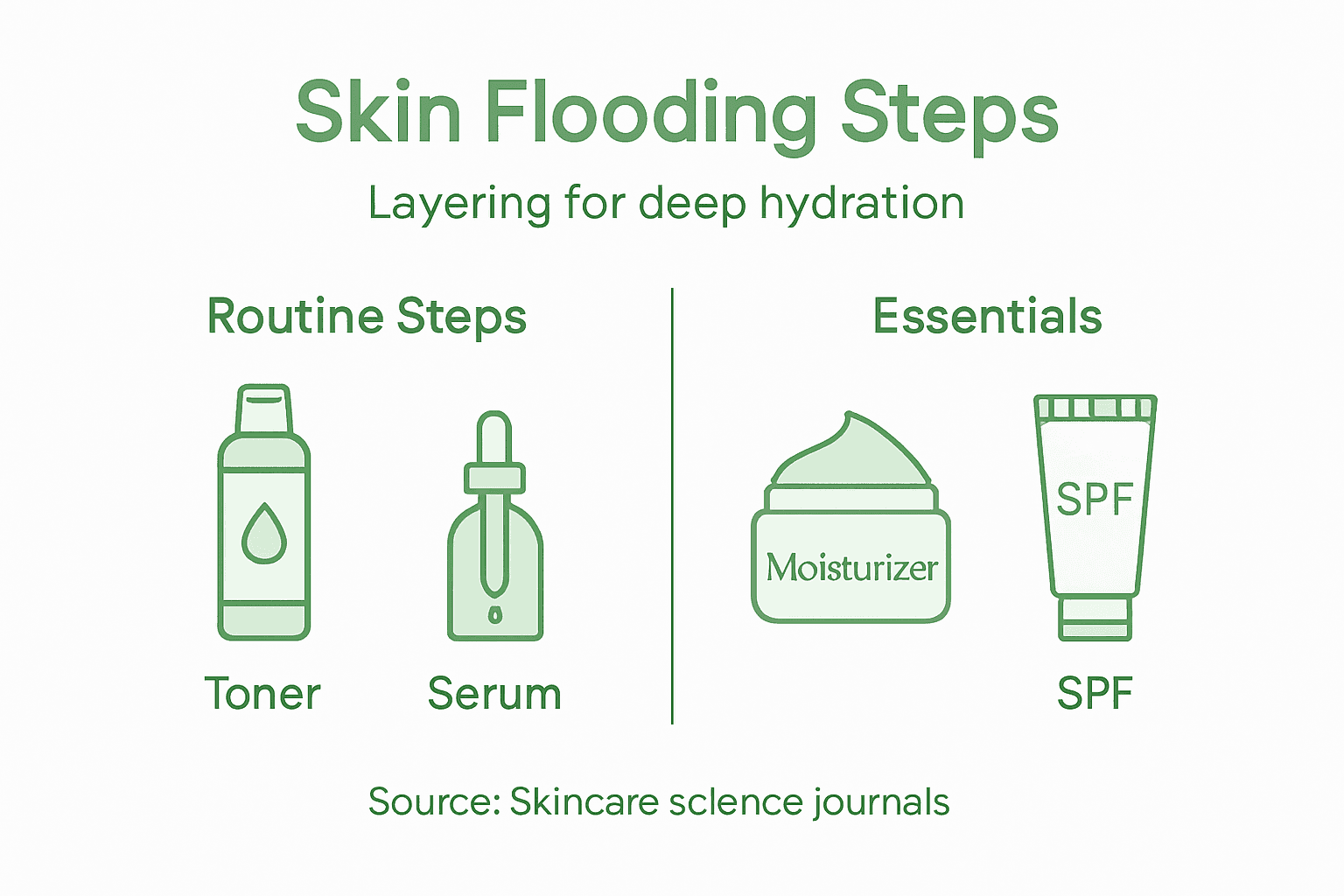
Here is a comparison of popular skin flooding product types and their optimal use cases:
| Product Type | Best for Skin Needs | Typical Usage Time |
|---|---|---|
| Toners & Essences | Prepping and priming | Immediately after cleansing |
| Hydrating Serums | Deep hydration boost | Before moisturizer |
| Creams & Moisturizers | Nourishing and repairing | Middle step, day or night |
| Oils & Ointments | Sealing in moisture | Final step, especially at night |
| Hydrating Masks | Intensive hydration boost | 2-3 times weekly |
Pro tip: Start with one basic skin flooding routine using three products (toner, serum, moisturizer), then add additional product types only if your skin still feels dry or tight after two weeks of consistent use.
Key benefits for dry and stressed skin
If your skin feels tight, itchy, or flaky by midday, you already know the frustration of dealing with dryness in an urban environment. Skin flooding directly addresses these issues by delivering what your compromised skin barrier desperately needs: multiple layers of sustained hydration. The benefits go beyond just feeling good in the moment. Intensive hydration helps restore skin barrier function, which means your skin can actually defend itself against pollution, temperature fluctuations, and the constant assault of city living. When your skin barrier is restored, you notice fewer flaky patches, less itching, and skin that actually feels comfortable instead of constantly crying out for moisture. This matters because a weakened barrier doesn’t just look dull. It becomes increasingly sensitive, reactive, and prone to irritation from products that normally wouldn’t bother you.
The immediate benefits of skin flooding include visible texture improvement and relief from that uncomfortable tight feeling. Within 3-5 days of consistent skin flooding, many women report that their skin feels softer and looks more radiant. Within two weeks, the flaking typically subsides significantly as your skin barrier strengthens and retains moisture more effectively. But the real payoff comes with sustained practice. When you layer hydrating products intentionally, you’re not just slapping moisturizer on your face. You’re creating a multi-layer defense system that protects your skin throughout the day. Your skin stops overproducing oil to compensate for dryness, your makeup applies more smoothly, and you experience fewer sensitivity reactions because your skin barrier is actually functioning properly. For women dealing with stress-induced skin issues, skin flooding addresses the root problem rather than masking symptoms with heavy creams that sit on top of your skin.
Another significant benefit that often gets overlooked is the mental and emotional relief that comes with seeing your skin improve. When you’re constantly struggling with uncomfortable dryness or dealing with environmental stressors, your skin becomes a source of daily frustration. Skin flooding transforms that narrative. Your skin feels hydrated, looks healthier, and you can actually wear makeup without it highlighting every dry patch or uncomfortable area. This confidence boost matters, especially for professional women in urban settings who are already managing multiple stressors. Additionally, when you use clean, natural ingredients for hydration, you avoid the irritation and sensitivity that often comes from synthetic moisturizers, meaning your results are sustainable and your skin continues improving rather than developing new issues.
Pro tip: Track your skin’s response for the first two weeks by taking a quick selfie in natural lighting every 3 days, so you can visually confirm when skin flooding is actually working instead of relying on how your skin feels day to day.
Step-by-step skin flooding routine essentials
Building your skin flooding routine doesn’t require a pharmacy’s worth of products. Start with the absolute basics: a gentle cleanser, a hydrating toner or essence, a hydrating serum, and a moisturizer or occlusive. If you’re thinking this sounds simple, you’re right. The magic isn’t in having dozens of products. It’s in understanding the order and timing. Begin by cleansing your face with lukewarm water and a gentle, sulfate-free cleanser that won’t strip your skin’s natural oils. Pat your skin gently with a clean towel, but leave it slightly damp. This matters more than you might think because damp skin absorbs hydrating products more effectively than completely dry skin. That moisture on your face acts like a vehicle, helping each layer penetrate deeper rather than sitting on the surface.
Now comes the layering sequence. Apply your hydrating toner or essence to damp skin using your fingertips or a cotton pad, pressing gently rather than rubbing. Wait 30 seconds for absorption. Next, apply your hydrating serum containing ingredients like hyaluronic acid or glycerin, which act as humectants that draw moisture into your skin. Again, wait for absorption before moving forward. Applying hydrating serums with multiple layers ensures your skin is fully saturated with moisture. Once the serum feels absorbed, apply your lightweight moisturizer or cream, using upward motions on your face and neck. If your skin is extremely dry or if this is your nighttime routine, finish with an occlusive product like a richer cream, facial oil, or even a thin layer of petroleum jelly to seal all that hydration inside. This final layer is crucial because it prevents transepidermal water loss, meaning all the moisture you just applied actually stays in your skin instead of evaporating.
Timing is everything in a successful skin flooding routine. Your morning routine might look like cleanser, toner, lightweight serum, gel moisturizer, and sunscreen. Your evening routine can be more intensive: cleanser, toner, two layers of serum, richer cream, and occlusive oil. The key is listening to your skin and adjusting based on what it needs. On days when you’re feeling particularly dry or stressed, you can add an extra layer of serum or apply your moisturizer twice. The beauty of skin flooding is its adaptability. You’re not locked into a rigid routine. You’re customizing your hydration strategy based on real-time feedback from your skin. For urban women managing daily stressors and environmental exposure, this flexibility allows you to respond to your skin’s changing needs rather than forcing it into a one-size-fits-all approach.
Pro tip: Invest in a hydrating facial spray or mist to refresh your skin flooding routine during the day, especially in dry office environments or after commuting through pollution, so you can reactivate hydration without disrupting your makeup.
Common mistakes and what to avoid
Skin flooding sounds straightforward, but plenty of women sabotage their results by making predictable mistakes. The most damaging error is over-cleansing your skin. If you’re washing your face more than twice daily with hot water and harsh cleansers, you’re actively destroying the barrier you’re trying to rebuild with all those hydrating layers. Hot water strips away natural oils, and stripping cleansers leave your skin feeling tight and compromised. Instead, use lukewarm water and a gentle, sulfate-free cleanser. Think of it this way: you wouldn’t wash a delicate fabric aggressively and then expect it to hold moisture. Your skin needs the same respect. Another critical mistake is applying products to completely dry skin. If you wait for your face to dry fully between each product, you’re missing the window where absorption happens most effectively. Damp skin acts as a conductor for hydration, allowing products to penetrate deeper. When you apply serums and moisturizers to dry skin, they sit on the surface and evaporate, leaving you wondering why your expensive products aren’t working.
Mismatched products represent another category of mistakes that derails many skin flooding attempts. Layering incompatible products can cause irritation or reduce effectiveness, so you need to think about what you’re combining. For example, applying a vitamin C serum followed immediately by a niacinamide serum can sometimes cause sensitivity in reactive skin. Mixing oil-based and water-based products incorrectly can leave you with a greasy residue that blocks absorption rather than enhancing it. Read product labels carefully and understand whether each product is water-based, oil-based, or water-soluble. If you’re using active ingredients like retinol or acids, don’t layer them in your skin flooding routine. Stick to hydrating products without potentially irritating actives during your flooding phase. Additionally, using heavy fragrances or allergens in your layering routine defeats the purpose. If you’re dealing with compromised skin, fragrance and essential oils are unnecessary irritants that distract from your hydration goal.
Timing mistakes also derail progress. Some women apply all their products in rapid succession and expect deep hydration, but rushing the process means each layer doesn’t fully absorb before the next one sits on top. Give each product 30 to 60 seconds to absorb. This takes an extra five minutes but dramatically increases effectiveness. Another timing issue is inconsistency. Skin flooding works because it’s a sustained practice, not a one-time event. Doing it religiously for three days then abandoning it for a week won’t rebuild your barrier. Your skin needs consistent hydration to show improvement. Finally, avoid the trap of adding too many products at once. Start with three or four basics and only add more if your skin still feels dry after two weeks. Many women overwhelm their skin with excessive layering, which can actually trigger sensitivity instead of soothing it.
Below is a summary of common skin flooding mistakes and easy solutions:
| Mistake | Why It Happens | How to Correct |
|---|---|---|
| Over-cleansing | Using harsh cleansers | Switch to gentle, sulfate-free formulas |
| Applying to dry skin | Waiting too long | Layer products on damp skin |
| Mismatched products | Incompatible formulas | Choose products for layering wisely |
| Rushing application | Not giving time to absorb | Wait 30-60 seconds between layers |
| Adding too many products | Overcomplicating routine | Start with basics, add one at a time |
Pro tip: Keep a simple rotation of 4 core products and introduce any new product one at a time, waiting at least one week before adding another so you can identify whether your skin is improving or reacting negatively.
Choosing clean, vegan products for skin flooding
If you’re committed to skin flooding, your product choices matter just as much as your technique. Clean, vegan skincare aligns perfectly with the goals of skin flooding because you’re layering multiple products directly onto your skin multiple times daily. When those products contain parabens, sulfates, synthetic fragrances, or other irritants, you’re not just hydrating your skin. You’re potentially triggering sensitivity and inflammation with each layer. For eco-conscious women in urban areas, choosing clean products also means you’re protecting your health while supporting ethical beauty standards. Vegan skincare eliminates animal-derived ingredients like lanolin, carmine, or squalane from animal sources, and ensures no animal testing occurred during product development. When you’re selecting products for your skin flooding routine, look for formulations that are specifically labeled as vegan, cruelty-free, and free from synthetic chemicals. These products deliver genuine hydration without the baggage of toxins.
Understanding what to look for in clean vegan products prevents wasted money on products that look good in packaging but perform poorly on your skin. Avoid anything containing parabens, sulfates, phthalates, synthetic fragrances, and petroleum-derived ingredients. Instead, seek plant-derived ingredients and botanical formulations that provide real hydration without synthetic fillers. Look for key hydrating ingredients like plant-based hyaluronic acid, vegetable glycerin, plant oils like jojoba or rosehip, and botanical extracts like centella asiatica or aloe vera. These ingredients deliver deep, sustained moisture while being gentle enough for compromised or sensitive skin. When reading ingredient lists, remember that ingredients are listed by concentration. If hyaluronic acid or glycerin appears in the first five ingredients, that product is genuinely formulated for hydration. If it’s buried near the end, you’re paying for mostly filler. For urban women balancing budget and quality, investing in truly effective clean products means you’ll use less product overall because you’ll actually see results instead of constantly adding more layers hoping something sticks.
The transparency piece matters enormously when choosing vegan skincare. Legitimate clean beauty brands clearly state what they exclude from their formulations and why. They don’t hide behind vague terms like “natural fragrance” when they’re using synthetic aromatic compounds. Claribel Skincare, for example, publishes exactly what’s not in their products: no parabens, sulfates, petroleum, phthalates, pesticides, synthetic fragrances, or toxic fillers. This transparency builds trust because you know exactly what you’re putting on your skin layer after layer. When you’re selecting products for skin flooding specifically, this clarity prevents you from accidentally sabotaging your routine with a product that looks clean but contains hidden irritants. Additionally, prioritize brands that source organic, non-GMO ingredients and avoid those using synthetic preservatives when plant-based alternatives exist. Your skin flooding routine should support your skin barrier, not challenge it with unnecessary chemicals. Safe ingredient databases help you verify that products meet clean beauty standards before purchasing.
Pro tip: Start by replacing just one product in your routine with a certified vegan, clean alternative, then observe your skin’s response for one full week before swapping another product so you can identify which clean products actually work best for your specific skin needs.
Unlock Lasting Hydration with Clean, Natural Solutions from Claribel Skincare
If your skin struggles with dryness, sensitivity, or environmental stress as described in the article on skin flooding, you know how vital layering hydration with compatible products can be. The challenge lies in rebuilding and maintaining your skin barrier while avoiding synthetic irritants that undo your efforts. Key pain points like tightness, flaking, and discomfort demand a hydration strategy that relies on gentle, effective, and truly clean products. Claribel Skincare understands the science behind skin flooding and offers a dedicated line of organic, vegan, and cruelty-free formulations designed to support your skin’s moisture barrier without toxic chemicals such as parabens, sulfates, or synthetic fragrances.
Experience the difference with our thoughtfully crafted lineup that includes hydrating serums, nourishing creams, and protective oils perfectly suited for layering on damp skin. Every product from Claribel is free from fillers and harmful additives so your skin receives only the best active ingredients that work synergistically to maximize hydration and rebuild your skin’s natural defenses. Ready to treat your skin with the clean hydration it deserves
Explore our collection now at Claribel Skincare and start your personalized skin flooding routine today. Take the first step towards lasting comfort by visiting https://claribelskincare.com. Because with the right clean, effective products layering becomes simple and your skin barrier stronger every day.
Frequently Asked Questions
What is skin flooding?
Skin flooding is a skincare technique that involves layering multiple hydrating products on your skin to reinforce its natural barrier and improve moisture retention.
How do I properly layer products for skin flooding?
Start with a hydrating toner or essence on damp skin, followed by a hydrating serum, a lightweight moisturizer, and finish with a richer cream or oil to seal in moisture.
What are the benefits of skin flooding for dry skin?
Skin flooding helps restore and maintain hydration in dry skin, reduces tightness and flakiness, and improves the skin’s barrier function to protect against environmental stressors.
Can I customize my skin flooding routine based on my skin’s needs?
Yes, you can customize your skin flooding routine by selecting different product types based on your skin’s specific moisture needs and environmental factors, such as using richer creams in colder conditions.
Recommended
- Skin Fasting: Why Simplifying Skincare Can Revitalize Your Skin
- What Is Skin Cycling and Why It Matters
- Skin Barrier: Why It Matters for Healthy, Radiant Skin
- Skin Detox: How Cleansing Impacts Your Skin Health
- Skincare & Treatments for Dry & Sensitive Skin - Blanc & Mist
- Hair and Skin Care: Expert Tips for Stronger Growth 2025 | MyHair
- Chemical Peel - Medisoma
