


More than 60 percent of American shoppers are now seeking out clean beauty products for daily routines. With rising awareness about ingredient safety and environmental impact, making informed choices matters more than ever. Sorting through endless labels and certifications often feels confusing, but understanding each step of the clean beauty journey empowers you to find brands that match your health and ethical values with confidence.
Table of Contents
- Step 1: Define Your Clean Beauty Standards
- Step 2: Research Ingredient Labels And Certifications
- Step 3: Compare Brands Using Trusted Resources
- Step 4: Verify Vegan And Cruelty-Free Claims
- Step 5: Test Selected Brands For Quality And Fit
Quick Summary
| Essential Insight | Explanation |
|---|---|
| 1. Define Your Clean Beauty Standards | Establish personal standards focusing on health and ethics to guide your product choices. |
| 2. Research Ingredients and Certifications | Understand labels and certifications to identify safe, clean beauty products. |
| 3. Compare Brands Using Trusted Resources | Utilize reliable databases to assess ingredient safety and brand transparency. |
| 4. Verify Vegan and Cruelty-Free Claims | Check for valid certifications to ensure products meet ethical standards. |
| 5. Test Selected Brands for Quality | Conduct personal trials to evaluate products’ effectiveness on your skin type. |
Step 1: Define your clean beauty standards
Establishing clear personal clean beauty standards is your foundation for selecting skincare and cosmetics that align with your health and ethical values. Clean beauty practices emphasize non toxic, transparent products that prioritize human health, making this initial step crucial for conscious consumers.
To define your standards, start by identifying what matters most to you. Are you concerned about chemical exposure? Interested in environmental sustainability? Seeking products free from specific ingredients? Your personal priorities will guide your clean beauty journey. Consumer research shows increasing demand for personal care products with organic, toxin free ingredients, which means more options are becoming available across different price points and beauty categories.
Consider creating a personalized checklist of non negotiable criteria. This might include avoiding parabens, sulfates, synthetic fragrances, or looking for third party certifications. Your standards could encompass not just ingredient safety, but also cruelty free practices, sustainable packaging, or supporting brands with ethical manufacturing processes.
Pro tip: Start small by replacing one product category at a time. This approach prevents overwhelm and allows you to gradually transition to cleaner beauty alternatives without significant financial strain.
Step 2: Research ingredient labels and certifications
Navigating ingredient labels and understanding product certifications is essential for identifying truly clean beauty products that align with your health standards. The world of beauty labels can seem complex, but with the right approach, you can become an expert at decoding what goes into your personal care items.
Start by familiarizing yourself with common ingredient red flags. Look for clear, transparent labeling that lists all ingredients in plain language. Avoid products with vague terms like fragrance or proprietary blends. Organic product certifications have specific legal definitions, with labels like 100% organic requiring strict compliance with national organic standards. Focus on third party certifications from reputable organizations such as USDA Organic, EcoCert, and COSMOS, which provide independent verification of product safety and ingredient quality.
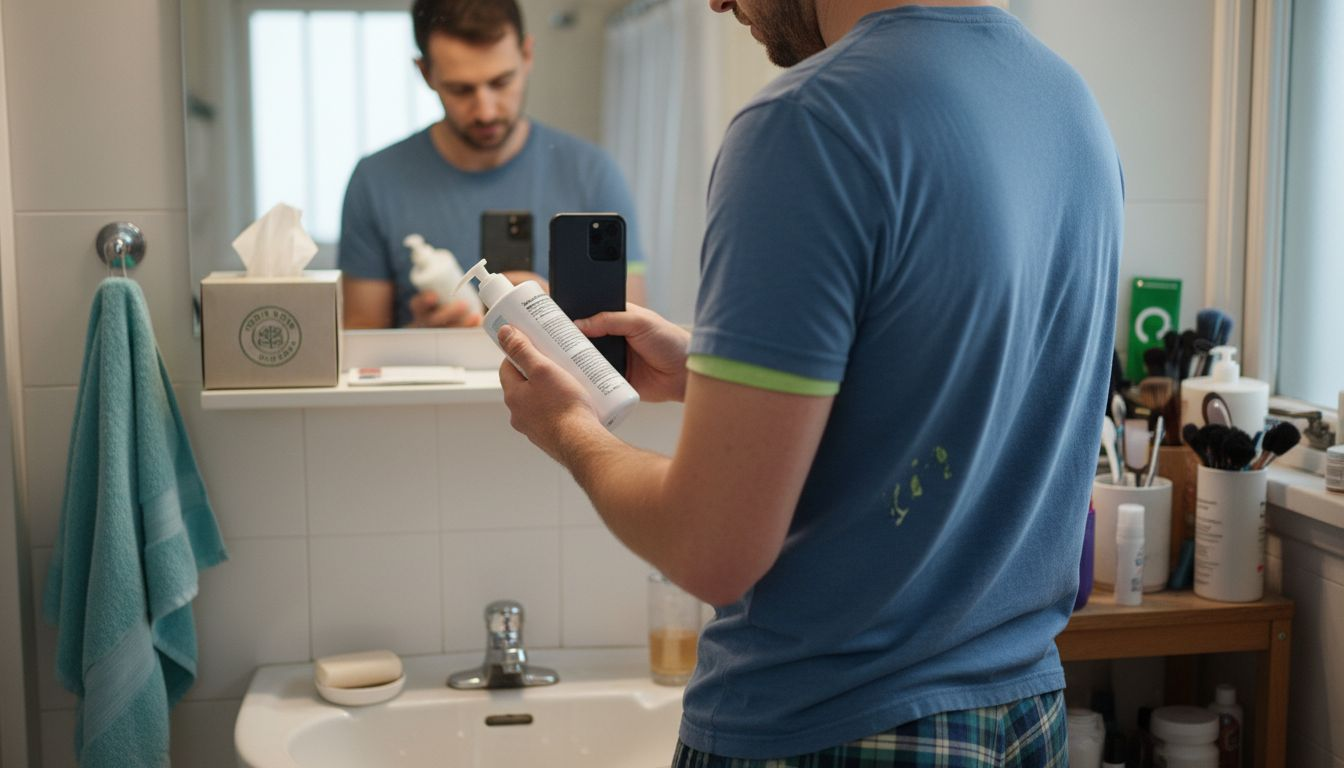
When examining labels, pay attention to the first five ingredients, which typically comprise the majority of the product. Research potential concerns like parabens, sulfates, phthalates, and synthetic fragrances. Online resources and mobile apps can help you quickly understand the safety profile of specific ingredients, empowering you to make informed choices about the products you use.
Pro tip: Create a personal reference list of ingredients you want to avoid and trusted certification seals. Keep this list on your phone for easy access while shopping, which will help you quickly evaluate new products against your clean beauty standards.
Here’s a quick reference comparing popular clean beauty certifications:
| Certification | Focus Area | Example Seal | Verification Details |
|---|---|---|---|
| USDA Organic | Organic ingredients | USDA Organic logo | Strict regulation, annual audits |
| EcoCert | Natural & organic, sustainability | EcoCert symbol | Ingredient sourcing, eco practices |
| COSMOS | Natural/organic, transparency | COSMOS logo | Product origin, no GMOs |
| Leaping Bunny | Cruelty-free testing | Leaping Bunny mark | Global supplier monitoring |
| Vegan Action | Animal-derived ingredients | Vegan Certified badge | No animal ingredients or testing |
Step 3: Compare brands using trusted resources
The Environmental Working Group offers an extensive database of personal care product ratings to help you make informed clean beauty choices. Comparing brands requires more than just a quick glance at marketing materials. You need reliable resources that provide transparent ingredient analysis and comprehensive safety assessments.
Product ingredient research from trusted organizations can reveal critical differences between brands that might not be immediately apparent. Start by utilizing specialized databases and rating systems that evaluate product safety, ingredient quality, and corporate transparency. Look for platforms that provide detailed breakdowns of ingredient profiles, potential health risks, and third party certifications. Consider cross referencing multiple sources to develop a comprehensive understanding of each brand’s clean beauty credentials.
Develop a systematic approach to brand comparison. Create a spreadsheet or digital note tracking key factors like ingredient safety ratings, certification seals, manufacturing practices, and price points. Pay attention to brands that consistently demonstrate commitment to clean beauty principles through transparent labeling, rigorous testing, and verifiable sustainability practices. Remember that a truly clean beauty brand goes beyond marketing claims and provides substantive evidence of its ethical and health conscious approach.

Pro tip: Download mobile apps that allow you to scan product barcodes and instantly retrieve comprehensive ingredient safety information, enabling quick and informed purchasing decisions while shopping.
Step 4: Verify vegan and cruelty-free claims
Verifying vegan and cruelty-free claims requires more than taking product packaging at face value. Understanding the nuanced world of ethical beauty means diving deeper into certification processes and recognizing legitimate verification standards that protect animal welfare and consumer transparency.
Look for established certification seals from reputable organizations like Leaping Bunny, PETA, and Vegan Action. Ingredient databases offer comprehensive insights into product authenticity, helping you distinguish genuine vegan and cruelty-free products from misleading marketing claims. These resources provide detailed breakdowns of ingredient origins, testing practices, and ethical manufacturing standards. Pay special attention to brands that openly share their sourcing and production philosophies, providing clear documentation about their commitment to animal friendly practices.
Research goes beyond surface level claims. Contact brands directly to request detailed information about their testing protocols, ingredient sourcing, and animal welfare policies. Check for parent company practices as well, since some brands might be technically cruelty-free but owned by larger corporations with different ethical standards. Create a personal checklist of verification criteria that matters most to you, whether that includes complete animal product elimination, no animal testing, or comprehensive supply chain transparency.
Pro tip: Bookmark multiple certification websites on your smartphone, enabling quick verification of vegan and cruelty-free claims while shopping.
Step 5: Test selected brands for quality and fit
Comprehensive product testing represents the final critical step in finding your ideal clean beauty brands, ensuring that theoretical research translates into practical skincare and cosmetic solutions that truly work for your unique needs. Selecting brands is only half the journey personal testing helps you understand how products interact with your specific skin type, sensitivities, and beauty goals.
Consumer research increasingly emphasizes the importance of personalized product evaluation, recognizing that individual responses vary widely. Begin with sample sizes or travel versions when possible to minimize financial investment. Create a systematic testing approach by introducing one product at a time and tracking your skin’s response over a minimum two week period. Pay attention to factors like absorption, texture, potential allergic reactions, performance consistency, and how the product interacts with your existing skincare routine.
Document your experience meticulously. Take before and after photographs, note any changes in skin texture, hydration levels, and overall appearance. Consider environmental factors like climate and stress that might influence product performance. Be patient and objective during your assessment, understanding that what works brilliantly for one person might not deliver identical results for another. Look beyond marketing claims and focus on your personal experience and measurable skin health improvements.
Pro tip: Create a simple spreadsheet to track product performance, including date of first use, ingredients, skin reaction, and overall satisfaction rating.
The following table summarizes key steps and decision points for a successful clean beauty transition:
| Step | Action Focus | What to Evaluate | Why It Matters |
|---|---|---|---|
| Define Standards | Set personal values | Health and ethics priorities | Guides all product choices |
| Review Labels | Check ingredients & seals | Red flag chemicals, trusted marks | Ensures product safety |
| Compare Brands | Use databases & ratings | Ingredient quality, transparency | Filters marketing claims |
| Verify Ethics | Check vegan/cruelty-free | Certification seals, sourcing details | Supports animal welfare |
| Test Products | Personal product trials | Skin reaction, satisfaction | Confirms real-world results |
Embrace Your Clean Beauty Journey with Confidence
Finding clean beauty brands can feel overwhelming when faced with confusing ingredient labels and unverified claims. This guide highlights the importance of setting personal standards and verifying vegan and cruelty-free certifications so you can make choices that truly respect your health and values. If your goal is to avoid harsh chemicals and support ethical products, you need easy access to skincare that meets those clear criteria without compromising quality.
Discover our selection of Natural Cleansers designed with zero fillers and carefully chosen active ingredients.

Start testing clean, vegan, and cruelty-free skincare today with products specifically formulated to fit your standards. Everything ships for free in the US so there is no risk in making the switch now. Explore our full range at Claribelskincare.com and take control of your beauty routine with confidence.
Frequently Asked Questions
How can I define my clean beauty standards?
Start by identifying your top health and ethical priorities, such as avoiding chemical exposure or seeking sustainable practices. Consider creating a checklist of non-negotiable criteria to guide your product choices and gradually transition to clean beauty alternatives.
What should I look for when reading ingredient labels?
Focus on clear, transparent labeling that lists all ingredients in plain language and watch for common red flags like synthetic fragrances. Create a personal reference list of ingredients to avoid and recognized certification seals for quick evaluation while shopping.
How can I compare different clean beauty brands?
Utilize trusted resources and databases that provide ingredient safety ratings, quality assessments, and certification information. Create a digital note or spreadsheet tracking key factors of multiple brands to systematically analyze their clean beauty credentials.
How can I verify if a product is truly vegan or cruelty-free?
Look for established certification seals from reputable organizations and verify claims by researching ingredient origins and testing practices. Consider contacting brands directly for detailed information about their animal welfare policies to ensure authenticity.
What steps should I take to test new clean beauty products?
Begin testing with sample sizes or travel versions of products and introduce one item at a time for at least two weeks to evaluate its compatibility with your skin. Document your experiences, including any reactions and performance observations, to identify what works best for your unique needs.
How can I track my clean beauty transition effectively?
Create a simple spreadsheet to monitor your product evaluations, noting details like date of use, ingredients, skin reactions, and overall satisfaction. Regularly reviewing this information will help ensure you stay aligned with your clean beauty standards.