

Many people worry that aluminum in deodorants causes cancer and dementia, but scientific research disproves these common fears. While aluminum salts in antiperspirants are safe for most users, aluminum-free deodorants offer genuine benefits for sensitive, health-conscious skin by avoiding synthetic chemicals and allowing natural body processes. This article explains how deodorants work, the truth about aluminum safety, and how to select effective natural products that align with your wellness goals.
Table of Contents
- Understanding Deodorants Vs. Antiperspirants
- How Aluminum Compounds Block Sweat And Potential Side Effects
- Health Concerns And Scientific Consensus About Aluminum
- Common Myths And Scientific Corrections Regarding Aluminum And Chemicals
- Benefits And Challenges Of Aluminum-Free Deodorants
- Formulation Strategies And Ingredients In Aluminum-Free Deodorants
- How To Choose And Use Aluminum-Free Deodorants Effectively
- Explore Natural Skincare Solutions At Claribel Skincare
Key takeaways
| Point | Details |
|---|---|
| Aluminum safety | Aluminum in antiperspirants blocks sweat but is minimally absorbed and not linked to cancer or dementia. |
| Natural alternative benefits | Aluminum-free deodorants allow natural sweating and reduce exposure to synthetic chemicals like parabens. |
| Active ingredients | Natural formulas use baking soda, plant oils, mineral salts, and essential oils to control odor effectively. |
| Selection considerations | Choosing aluminum-free requires balancing efficacy, skin sensitivity, and ingredient preferences for best results. |
Understanding deodorants vs. antiperspirants
The difference between deodorants and antiperspirants is fundamental to understanding what aluminum-free products can deliver. Deodorants reduce odor by limiting growth of bacteria rather than stopping sweat itself. They target the microbes on your skin that break down sweat into smelly compounds.
Antiperspirants work completely differently by blocking sweat ducts using aluminum compounds. Because they alter a natural body function, the FDA regulates them as drug products, not cosmetics. This classification reflects their active mechanism of stopping perspiration at the source.
Common aluminum compounds in antiperspirants include:
- Aluminum chlorohydrate
- Aluminum zirconium tetrachlorohydrate
- Aluminum chloride
- Various aluminum salt complexes
Understanding this distinction sets realistic expectations for what aluminum-free deodorants can and cannot do. They excel at odor control but allow your body to sweat naturally, which is a normal and healthy physiological process. Your sweat helps regulate body temperature and eliminate some waste products.
If you need complete dryness for specific situations, aluminum-based antiperspirants remain the most effective option. However, for everyday odor management with gentler ingredients, aluminum-free deodorants deliver excellent results for most users.
How aluminum compounds block sweat and potential side effects
Aluminum salts in antiperspirants create a temporary gel plug that physically blocks sweat ducts. When you apply an antiperspirant, aluminum compounds form gel plugs that prevent sweat from reaching your skin surface. This effect typically lasts 24 hours before your body naturally clears the blockage.
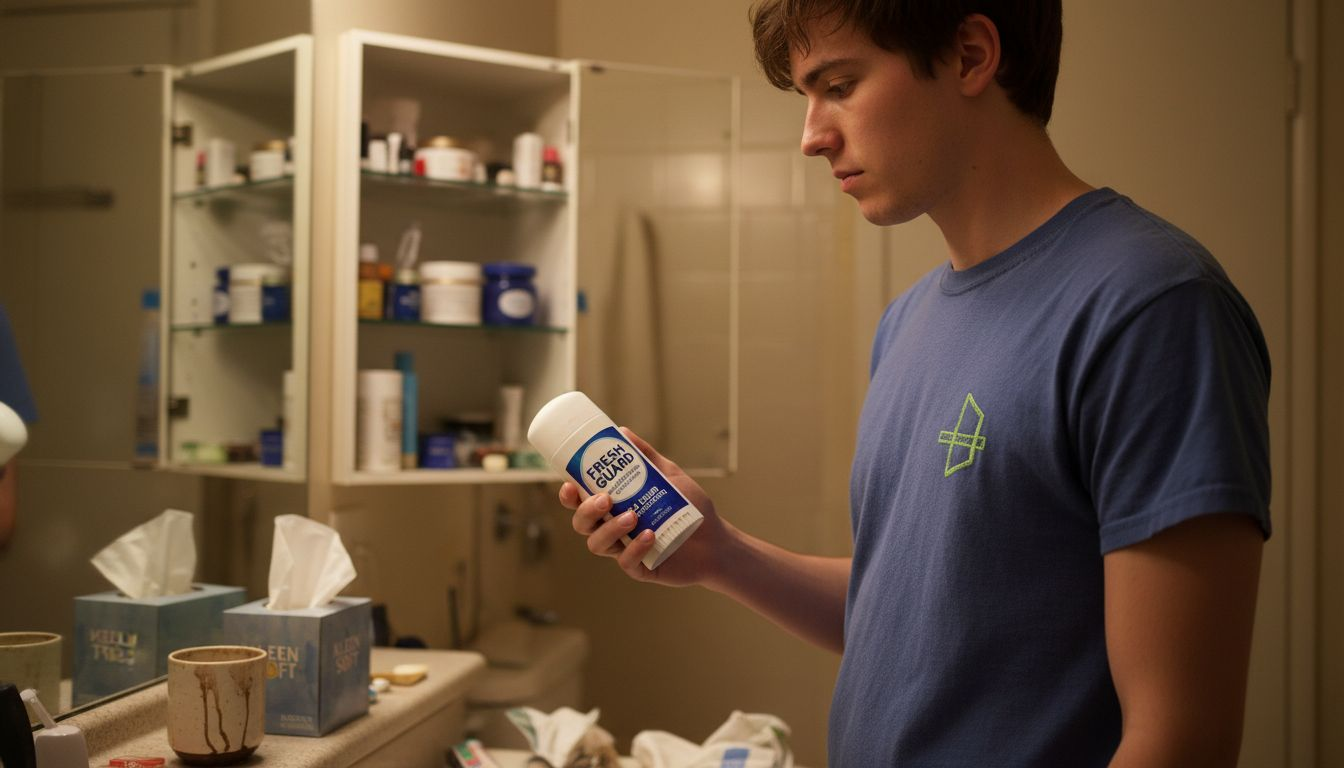
The blocking mechanism does not lead to significant systemic aluminum absorption. Your skin acts as an effective barrier, allowing only minimal amounts into your bloodstream. Studies measuring blood aluminum levels after antiperspirant use show negligible increases.
However, some users experience localized side effects:
- Skin irritation or redness
- Contact dermatitis in sensitive individuals
- pH changes that disrupt skin microbiome balance
- Increased sensitivity for eczema-prone skin
These reactions stem from aluminum salts causing skin irritation in people with compromised skin barriers. The aluminum compounds can alter your skin’s natural acidity, creating an environment that feels uncomfortable or triggers inflammation.
Pro Tip: If you have sensitive skin, patch test any new antiperspirant on a small area before full application to avoid widespread irritation.
The side effects are typically local and mild, not indicators of systemic toxicity. Your body efficiently processes and eliminates the small amounts of aluminum that do penetrate skin. For healthy individuals, this poses no health risk beyond temporary discomfort.
Health concerns and scientific consensus about aluminum
Decades of research have thoroughly examined aluminum’s safety in personal care products. No scientific evidence links aluminum antiperspirants to breast cancer, despite persistent myths suggesting proximity to breast tissue creates risk. Multiple large epidemiological studies found no correlation between antiperspirant use and cancer development.
The Alzheimer’s disease connection has similarly been debunked. Early studies in the 1960s and 1970s suggested a possible link, but modern neuroscience research using better methodology found no causal relationship. Brain aluminum deposits in Alzheimer’s patients appear to result from the disease process itself, not environmental exposure.
Major health authorities confirm aluminum safety:
- FDA approves aluminum compounds for over-the-counter antiperspirants
- National Cancer Institute states no cancer link exists
- American Cancer Society confirms safety for general population
- WHO reviews show no health concern at typical exposure levels
The only exception involves people with severe kidney disease needing to avoid aluminum products. When kidney function drops below 30%, your body cannot efficiently eliminate aluminum, leading to potential accumulation. This represents a tiny fraction of the population with specific medical conditions.
“The scientific consensus is clear: aluminum in antiperspirants poses no cancer or dementia risk to healthy individuals.”
For the vast majority of consumers, aluminum-based antiperspirants present no health danger. The choice to use aluminum-free alternatives should be based on personal preference, skin sensitivity, or desire to avoid synthetic chemicals, not unfounded health fears.
Common myths and scientific corrections regarding aluminum and chemicals
Misinformation about aluminum in deodorants persists despite overwhelming scientific evidence. The idea that aluminum causes breast cancer originated from misinterpreted studies and has been thoroughly disproven by subsequent research. Similarly, the Alzheimer’s myth continues circulating online despite no credible scientific support.
However, many deodorants contain synthetic chemicals like parabens and phthalates that deserve genuine concern. These endocrine-disrupting compounds can interfere with hormone function and accumulate in body tissues. Unlike aluminum, these chemicals have documented health risks.
Key distinctions to understand:
- Aluminum safety is scientifically validated for most users
- Parabens and phthalates have legitimate health concerns
- Natural aluminum-free deodorants avoid both aluminum and synthetic additives
- Outdated studies fuel aluminum fears without current evidence
Natural deodorants offer advantages beyond aluminum elimination. They typically exclude the full range of problematic synthetic chemicals found in conventional products. This comprehensive clean ingredient approach benefits your overall health more than aluminum avoidance alone.
Understanding ingredients beyond aluminum helps you make genuinely safer deodorant choices. Focus on avoiding proven harmful chemicals while recognizing that aluminum fears lack scientific basis. This balanced perspective empowers informed decisions based on evidence, not marketing hype or internet myths.
Benefits and challenges of aluminum-free deodorants
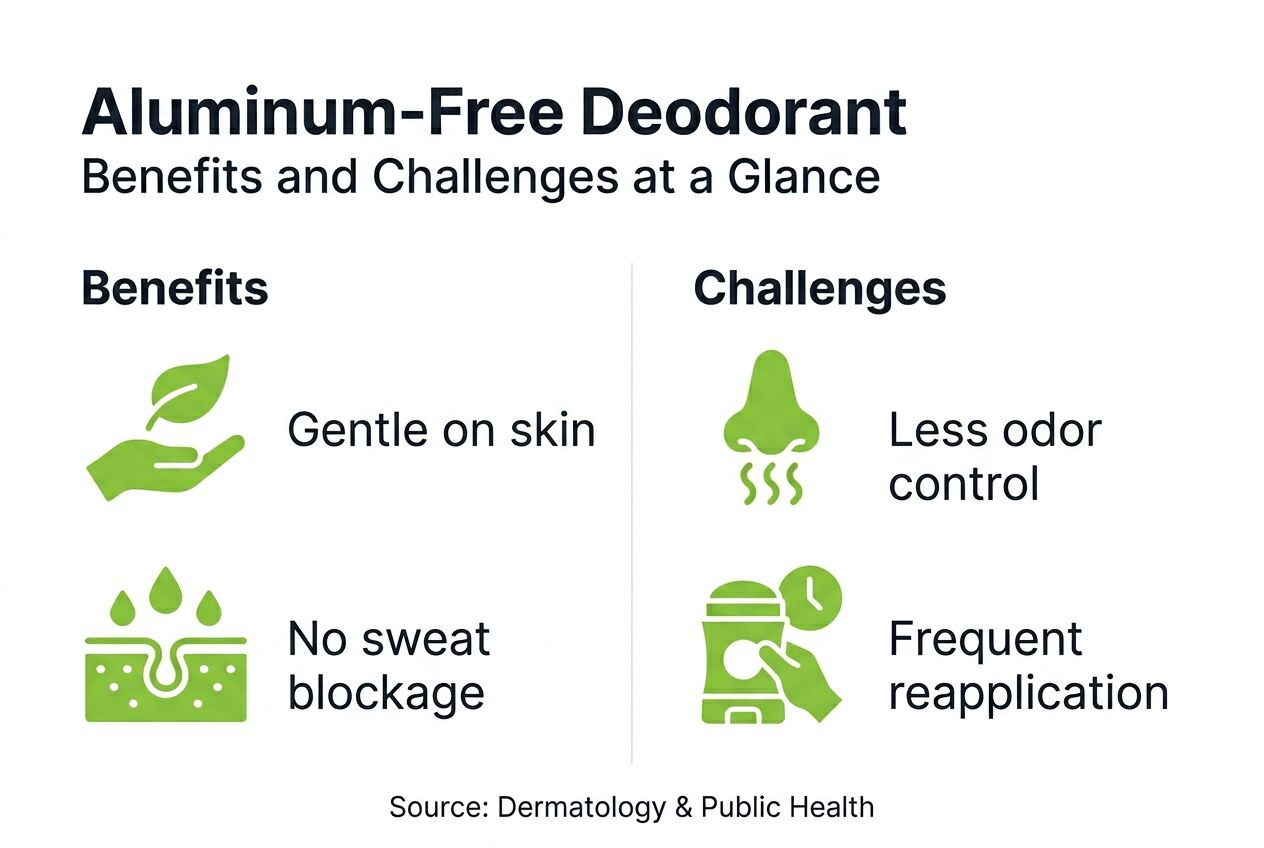
Choosing aluminum-free deodorants offers several advantages aligned with natural wellness principles. Aluminum-free options allow natural sweating and are ideal for those with aluminum allergies or sensitivities. Your body’s sweating mechanism functions as designed, supporting temperature regulation and toxin elimination.
Key benefits include:
- No interference with natural perspiration
- Reduced exposure to synthetic chemicals
- Better option for sensitive or eczema-prone skin
- Cleaner ingredient profiles overall
- Alignment with natural lifestyle choices
However, aluminum-free deodorants come with practical trade-offs. They may be less effective at long-lasting odor control and could require reapplication during the day. The efficacy varies significantly between formulations and individual body chemistry.
| Feature | Aluminum Antiperspirant | Aluminum-Free Deodorant |
|---|---|---|
| Sweat control | Blocks perspiration completely | Allows natural sweating |
| Odor control duration | 24-48 hours typically | 6-12 hours varies by formula |
| Skin sensitivity | May irritate sensitive skin | Generally gentler but ingredients vary |
| Chemical exposure | Contains aluminum salts | Avoids aluminum and often synthetic chemicals |
| Application frequency | Once daily | May need reapplication |
Common alternate ingredients include baking soda, coconut oil, shea butter, mineral salts, and essential oils. Each ingredient serves specific functions for odor control and skin health. Baking soda neutralizes odor but can irritate some skin types.
Pro Tip: Patch test new natural deodorants on a small area for 24 hours to check for reactions, especially if the formula contains baking soda.
Finding the right aluminum-free deodorant often requires trying multiple products. Your skin chemistry, activity level, and odor control needs influence which formula works best. Patience during the transition period helps you discover effective natural alternatives.
Formulation strategies and ingredients in aluminum-free deodorants
Natural deodorant formulations rely on multiple ingredients working synergistically for odor control. Natural deodorants often use baking soda, coconut oil, mineral salts, and essential oils as effective agents. Understanding how each component functions helps you select products matching your needs.
Baking soda neutralizes odor by adjusting pH and creating an environment hostile to odor-causing bacteria. It raises skin pH, making it harder for microbes to thrive and produce smelly compounds. However, this pH shift can irritate sensitive skin in some users.
Plant oils serve multiple purposes:
- Coconut oil provides antibacterial properties
- Shea butter soothes and moisturizes skin
- Jojoba oil balances skin without clogging pores
- Arrowroot powder absorbs moisture naturally
Mineral salts like potassium alum can inhibit bacterial growth without blocking sweat glands. These natural minerals create an inhospitable environment for odor-producing bacteria while allowing perspiration. They offer middle ground between conventional antiperspirants and fully natural formulas.
Essential oils provide both fragrance and antimicrobial effects. Tea tree oil, lavender, eucalyptus, and citrus oils kill bacteria while creating pleasant scents. Their concentrated plant compounds offer genuine odor-fighting benefits beyond just masking smells.
Ingredient combinations vary widely between brands and formulations. Some emphasize maximum odor control with stronger concentrations, while others prioritize gentleness for sensitive skin. Personal preference and skin response determine which balance works best for you.
How to choose and use aluminum-free deodorants effectively
Successfully transitioning to aluminum-free deodorants requires strategic selection and realistic expectations. Start by patch testing products, especially those with baking soda, to check for irritation before full application. Apply a small amount to your inner forearm and wait 24 hours to observe any reaction.
Follow these steps for best results:
- Research ingredient lists for potential irritants specific to your skin
- Start with baking soda-free formulas if you have sensitive skin
- Apply to clean, dry underarms for maximum effectiveness
- Allow a two-week adjustment period as your body adapts
- Reapply midday if needed until you find your ideal formula
Remember aluminum-free deodorants do not block sweat, so expect natural perspiration. This is normal and healthy, not a product failure. Your focus should be on odor control, not complete dryness. Wearing breathable fabrics helps manage moisture naturally.
Try multiple formulas and scents to discover what suits your body chemistry. What works perfectly for one person may not control odor effectively for another. Factors like diet, hormones, activity level, and individual microbiome composition all influence results.
Key selection criteria:
- Ingredient sensitivity based on your skin type
- Scent preferences that appeal to you
- Application format you find convenient
- Price point fitting your budget
- Brand values aligning with your principles
Look for baking soda-free options if initial products cause irritation. Many brands now offer sensitive skin formulas using alternative pH adjusters. Magnesium hydroxide provides similar benefits to baking soda with less irritation potential.
Pro Tip: Incorporate natural skincare options for sensitive skin into your routine to support healthier underarm skin alongside aluminum-free deodorant use.
Consider caring for sensitive skin naturally with gentle cleansing and moisturizing practices. Your underarm skin benefits from the same thoughtful care as your face. Harsh soaps and rough exfoliation can disrupt your skin barrier and worsen odor issues.
Explore talc free skincare benefits to understand how avoiding problematic ingredients supports overall skin health. This comprehensive approach to clean beauty enhances your success with aluminum-free deodorants.
Explore natural skincare solutions at Claribel Skincare
Your journey toward healthier personal care extends beyond deodorant choices. Claribel Skincare offers natural and gentle skin care options suitable for sensitive skin throughout your body. Our products avoid harsh chemicals, synthetic fragrances, and common irritants that compromise skin health.
Take our helpful skincare quiz to personalize your routine based on your unique skin needs. The quiz identifies products matching your concerns, whether you struggle with acne, aging, sensitivity, or combination issues. Customized recommendations help you build an effective clean beauty regimen.
Explore our natural acne skin care products formulated without aluminum, parabens, sulfates, or phthalates. These gentle yet effective treatments clear breakouts while respecting your skin barrier. Our natural anti aging skin care collection delivers results using plant-based actives instead of synthetic chemicals.
Every Claribel product ships free in the US and supports your healthy lifestyle choice for aluminum-free deodorants and natural self-care.
FAQ
Are aluminum-free deodorants as effective as antiperspirants?
Aluminum-free deodorants excel at controlling odor but do not block sweat like antiperspirants. They may need more frequent application to maintain freshness throughout the day. Effectiveness depends on individual body chemistry and the specific formula you choose.
Can aluminum in deodorant cause skin irritation?
Aluminum salts can irritate sensitive or eczema-prone skin by altering pH balance. Patch testing is recommended before regular use to identify potential reactions. Switch to aluminum-free options if you experience persistent irritation or discomfort.
Is the fear that aluminum causes cancer or Alzheimer’s justified?
Scientific research shows no link between aluminum in deodorants and cancer or Alzheimer’s disease. Health authorities including FDA and National Cancer Institute confirm aluminum use in personal care is safe for most people. Only individuals with severe kidney disease need to avoid aluminum products.
What ingredients should I look for in aluminum-free deodorants?
Look for baking soda, plant oils, mineral salts, and essential oils that provide natural odor control. Avoid harsh synthetic chemicals like parabens, phthalates, and artificial fragrances for safer skin care. Choose baking soda-free formulas if you have sensitive skin prone to irritation.