

Think mineral makeup can’t deliver the coverage you need? Many assume these natural formulas sacrifice performance for purity. The truth is modern mineral makeup combines powerful coverage with clean ingredients free from synthetic chemicals. You’ll discover exactly what minerals make these products work, why they’re safer for your skin, and how to choose the right formula for your needs.
Table of Contents
- Introduction To Mineral Makeup
- Health And Safety Benefits Of Mineral Makeup
- Common Misconceptions About Mineral Makeup
- Comparison With Other Makeup Types
- Environmental And Ethical Considerations
- How To Choose And Use Mineral Makeup
- Discover Clean Mineral Makeup With Claribel Skincare
- Frequently Asked Questions About Mineral Makeup
Key takeaways
| Point | Details |
|---|---|
| Natural mineral ingredients | Titanium dioxide, zinc oxide, and mica provide coverage while protecting skin from UV damage and irritation. |
| Safer for sensitive skin | Free from parabens, sulfates, synthetic fragrances, and pore-clogging ingredients that trigger breakouts. |
| Clean beauty certifications | Look for Leaping Bunny, EWG Verified, and vegan certifications to ensure ethical sourcing and product safety. |
| Buildable coverage options | Modern formulas offer sheer to full coverage without the cakey texture of early mineral makeup versions. |
Introduction to mineral makeup
Mineral makeup consists of finely milled natural minerals formulated into cosmetics without synthetic chemicals or common irritants. These products use earth-derived ingredients processed into powder or pressed forms that sit gently on skin while providing coverage and protection.
The primary minerals in these formulas serve specific purposes. Typical mineral ingredients like titanium dioxide, zinc oxide, mica provide safe, cruelty-free natural makeup options that replace synthetic compounds found in traditional cosmetics. Titanium dioxide and zinc oxide create opacity for coverage while offering physical sun protection. Mica adds shimmer and helps products blend smoothly across skin.
Unlike conventional makeup loaded with preservatives, synthetic dyes, and chemical fragrances, mineral formulas avoid these additives entirely. The minerals themselves resist bacterial growth naturally, reducing the need for harsh preservatives. This makes them ideal for anyone seeking clean beauty alternatives that won’t compromise skin health.
You’ll find mineral makeup in several formats: loose powders for buildable application, pressed compacts for portability, and foundation formulas that combine minerals with minimal binding agents. Each form maintains the same core benefit: natural coverage without synthetic irritants.
Key minerals and their benefits include:
- Titanium dioxide: Provides white pigment for coverage and reflects UV rays for sun protection
- Zinc oxide: Offers natural anti-inflammatory properties while creating opacity and UV defense
- Mica: Delivers luminosity and helps powders adhere smoothly to skin
- Iron oxides: Supply natural color pigments in brown, red, and yellow tones for shade variety
- Silica: Absorbs excess oil and creates a smooth, soft texture
These minerals work together to create formulas that enhance your natural beauty while supporting skin health. The physical barrier they form sits on top of skin rather than absorbing into pores, reducing irritation risk significantly. Understanding mineral sunscreens benefits helps you recognize why these same ingredients excel in makeup formulations.
Health and safety benefits of mineral makeup
Your skin deserves products that protect rather than harm. Mineral makeup eliminates the synthetic chemicals found in traditional cosmetics that trigger reactions, clog pores, and disrupt hormonal balance. Switching to mineral makeup can reduce exposure to harmful synthetic chemicals linked to irritation and hormonal disruption.
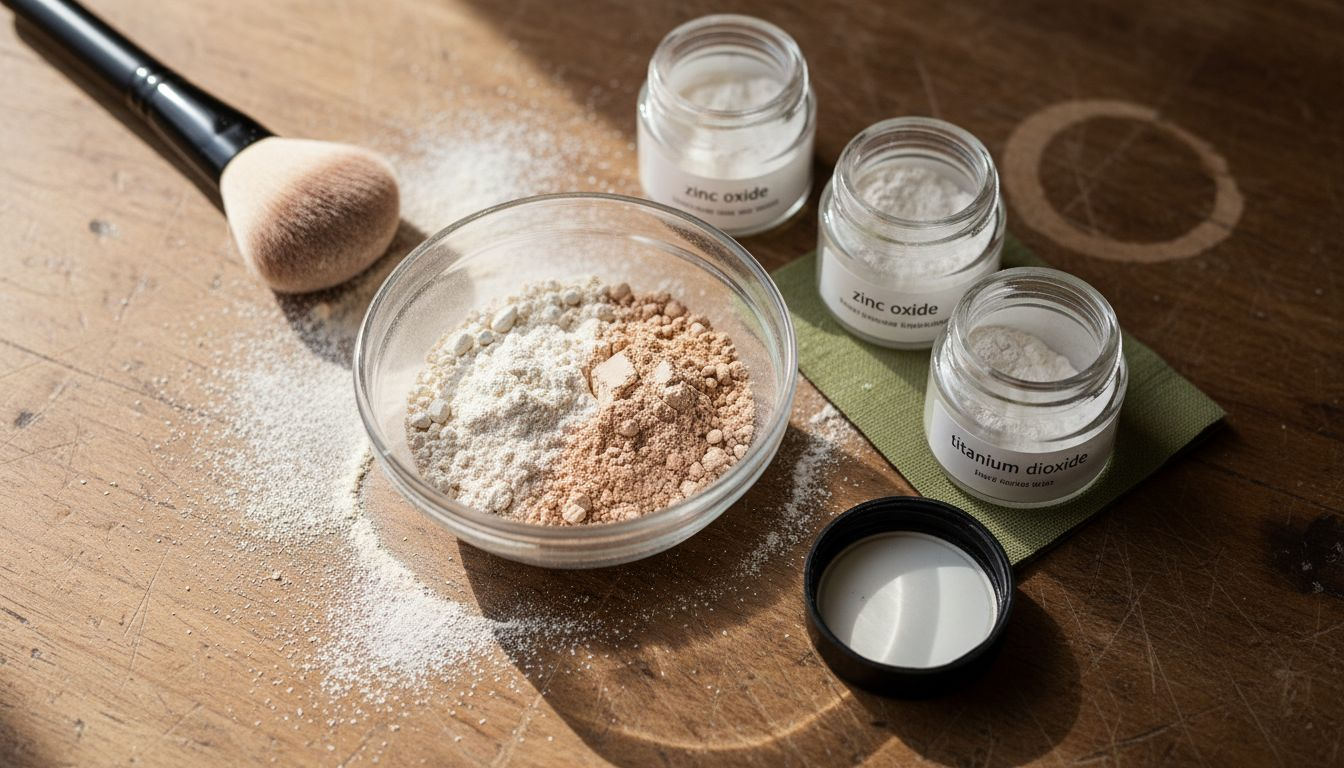
The physical sunscreen properties of titanium dioxide and zinc oxide provide daily UV protection without chemical filters. These minerals sit on skin’s surface, reflecting harmful rays before they penetrate. This makes mineral makeup a smart choice when you want coverage plus sun defense in one step. Understanding mineral sunscreens benefits reveals why these ingredients work so effectively.
Sensitive and acne-prone skin types benefit most from mineral formulas. The natural anti-inflammatory properties of zinc oxide calm redness while iron oxides provide color without synthetic dyes. Since these products don’t contain oils or waxes that suffocate pores, they allow skin to breathe throughout the day.
Harmful ingredients you avoid with mineral makeup:
- Parabens: Preservatives linked to hormone disruption and breast cancer concerns
- Sulfates: Harsh detergents that strip natural oils and cause dryness
- Synthetic fragrances: Chemical cocktails that trigger allergic reactions and headaches
- Phthalates: Plasticizers associated with reproductive health issues
- Petroleum derivatives: Pore-clogging ingredients that trap bacteria and cause breakouts
- Talc: Mineral often contaminated with asbestos and linked to respiratory problems
Pro Tip: Always patch test new mineral products on your inner wrist or jawline for 24 hours before full face application, even with clean formulas. Individual sensitivities can occur with any ingredient, and this simple step prevents widespread reactions.
The transparency of mineral ingredient lists makes it easy to identify exactly what you’re putting on your face. You won’t find long chemical names you can’t pronounce. This simplicity aligns perfectly with clean makeup guide principles that prioritize ingredient safety and skin health over marketing hype.
Common misconceptions about mineral makeup
Many women skip mineral makeup because they believe myths that simply aren’t true anymore. Let’s clear up the confusion preventing you from trying these clean formulas.
The biggest misconception claims mineral makeup can’t provide adequate coverage. Modern mineral makeup offers buildable coverage from sheer to full without clogging pores or causing breakouts. Today’s formulations use micronized minerals that layer smoothly, letting you control opacity from natural to full coverage based on application technique.
Another common belief suggests all products labeled “mineral makeup” meet clean beauty standards. The reality is sobering: only about 65% of mineral makeup products in U.S. stores meet verified clean beauty certification standards. Some brands use “mineral” as a marketing term while still including synthetic fillers, preservatives, or questionable additives. You must verify ingredient lists and certifications rather than trusting labels alone.
Some people worry mineral makeup causes breakouts. This confusion stems from early formulas that used bismuth oxychloride, a synthetic ingredient that irritated sensitive skin despite being marketed as “mineral.” True mineral makeup with pure titanium dioxide, zinc oxide, and iron oxides won’t clog pores or trigger acne. Understanding mineral sunscreen with zinc oxide shows how these ingredients actually support clear skin.
Key misconceptions and facts:
- Myth: Mineral makeup looks cakey and unnatural. Fact: Modern micronized formulas blend seamlessly for natural or glamorous finishes.
- Myth: All mineral makeup is the same. Fact: Quality varies widely; certifications and ingredient purity separate excellent from mediocre products.
- Myth: Natural and mineral mean the same thing. Fact: Natural can include plant derivatives that cause reactions; mineral refers specifically to inorganic earth elements.
- Myth: You can’t wear mineral makeup daily. Fact: The breathable formula actually benefits skin with continuous wear.
The difference between mineral, natural, and organic labeling matters significantly. Mineral specifically indicates inorganic earth-derived ingredients. Natural suggests plant or animal sources but lacks strict regulation. Organic requires certified farming practices for botanical ingredients but doesn’t apply to minerals. Products can be mineral and natural, mineral and organic, or all three, depending on their complete formula. Learning about talc free skincare helps you understand why ingredient specificity matters so much.
Comparison with other makeup types
Understanding how mineral makeup stacks up against alternatives helps you make informed choices for your skin and values.
| Feature | Mineral Makeup | Traditional Liquid Foundation | Other Clean Makeup |
|---|---|---|---|
| Primary ingredients | Titanium dioxide, zinc oxide, iron oxides, mica | Water, silicones, synthetic polymers, chemical preservatives | Varies: plant oils, waxes, natural pigments, some minerals |
| Coverage type | Buildable powder, light to full | Liquid, typically medium to full | Cream, liquid, or powder with varying coverage |
| Pore-clogging risk | Very low, non-comedogenic | Moderate to high depending on oils and silicones | Low to moderate depending on oils used |
| Sun protection | Natural SPF from zinc/titanium | None unless added chemical filters | Varies, some include plant-based protection |
| Skin benefits | Anti-inflammatory, oil-absorbing, breathable | Hydrating but can trap bacteria | Nourishing from botanicals, may feed acne bacteria |
| Clean certifications | Often EWG Verified, Leaping Bunny | Rarely certified clean | Some certified organic or natural |
| Best for skin type | Sensitive, oily, acne-prone, mature | Normal to dry | Varies widely by formula |
Mineral makeup avoids pore-clogging ingredients and reduces acne flare-ups, unlike many traditional formulas that trap oil and bacteria beneath layers of synthetic film. This breathability makes a noticeable difference for anyone struggling with congested skin.
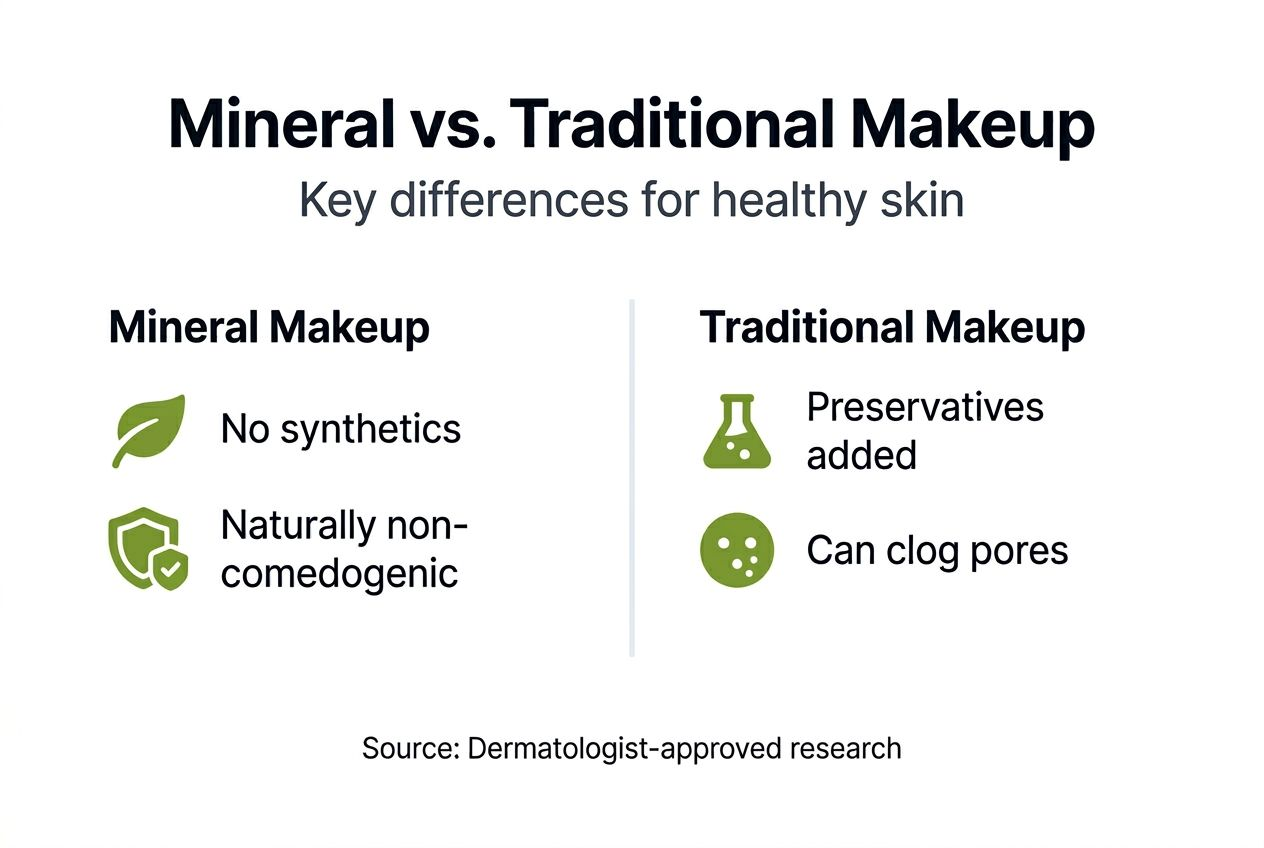
Modern mineral makeup formulations have improved texture and coverage comparable to traditional cosmetics while maintaining their clean ingredient profiles. You no longer sacrifice performance when choosing mineral options.
Key advantages for specific concerns:
- Acne-prone skin: Zinc oxide naturally fights bacteria without feeding breakouts
- Sensitive skin: Absence of fragrances and preservatives minimizes reaction triggers
- Mature skin: Light-reflecting mica softens fine lines rather than settling into creases
- Oily skin: Silica and minerals absorb excess sebum without looking chalky
Pro Tip: When comparing products, check whether “clean” makeup brands use actual minerals or just plant-based alternatives. Both can be safe, but mineral formulas offer superior oil control and sun protection that botanical options can’t match.
Understanding what constitutes truly clean makeup guide standards helps you evaluate whether mineral, traditional, or other clean options best suit your priorities and skin needs.
Environmental and ethical considerations
Your makeup choices impact more than just your skin. The mineral makeup industry increasingly aligns with environmental and ethical values that matter to conscious consumers.
Vegan certification means products contain zero animal-derived ingredients or byproducts. Cruelty-free certification guarantees no animal testing occurred during development or production. Most quality mineral makeup brands hold both certifications since minerals are inherently plant and animal-free. Over 90% of top U.S. mineral makeup brands hold vegan and cruelty-free clean beauty certifications such as Leaping Bunny and EWG Verified.
Environmental benefits extend beyond animal welfare. Mineral extraction, when done responsibly, has lower environmental impact than synthesizing chemical alternatives in laboratories. Mica mining raises ethical concerns in some regions due to child labor, but certified brands source from ethical suppliers with transparent supply chains. Always verify a brand’s commitment to fair trade and responsible sourcing.
The clean beauty movement drives demand for mineral makeup that meets strict safety and ethical standards. You’re part of a growing community of women who refuse to compromise between effective cosmetics and personal values. This consumer pressure pushes the entire industry toward better practices.
Important certifications to seek:
- Leaping Bunny: Gold standard for cruelty-free verification with regular audits
- EWG Verified: Ensures ingredients meet strict health and safety criteria
- Certified Vegan: Confirms zero animal products or testing
- Fair Trade: Guarantees ethical sourcing and fair wages for mineral miners
- B Corporation: Indicates overall company commitment to social and environmental responsibility
Understanding vegan makeup guide principles helps you recognize which certifications matter most for your values. The intersection of mineral makeup with ethical beauty creates products you can feel good about wearing daily.
The 2026 clean beauty landscape reflects these priorities more than ever. Following natural skincare trends 2026 shows how mineral makeup fits into broader movements toward transparency, sustainability, and ethical consumption in the beauty industry.
How to choose and use mineral makeup
Finding the right mineral makeup requires understanding your skin’s unique needs and knowing what to look for in product formulations.
Follow these steps for successful selection:
- Identify your skin type and primary concerns (acne, sensitivity, dryness, oiliness, or aging)
- Research brands holding verified clean beauty certifications like EWG Verified or Leaping Bunny
- Check ingredient lists for pure minerals without bismuth oxychloride or synthetic fillers
- Request samples or purchase trial sizes before committing to full-size products
- Test application techniques with different brushes or sponges to achieve your desired finish
- Evaluate how products perform throughout your day, noting any reactions or coverage issues
Matching coverage to your needs:
- Light coverage: Use a fluffy brush with minimal product for natural, skin-like finish
- Medium coverage: Apply with a denser kabuki brush using circular buffing motions
- Full coverage: Layer product gradually with a flat-top brush, building opacity where needed
- Spot concealing: Use a small precision brush to target specific areas with extra pigment
Pro Tip: Never apply mineral powder to damp or freshly moisturized skin. Wait 5 to 10 minutes after skincare for products to absorb completely. Mineral powders need a dry base to blend smoothly and prevent clumping or patchiness.
Verifying ingredient transparency separates quality mineral makeup from imposters. True mineral formulas list recognizable ingredients: titanium dioxide, zinc oxide, iron oxides, mica, and perhaps silica. Long lists filled with unpronounceable chemicals signal synthetic additives that contradict clean beauty principles. Learning how to find clean beauty brands empowers you to make confident purchasing decisions.
Certification verification matters as much as ingredients. Visit brand websites to confirm they hold claimed certifications. Legitimate companies display certification logos and provide verification numbers you can cross-reference on certifying organizations’ websites.
For comprehensive skin health, pair mineral makeup with mineral sunscreens benefits in your daily routine. While mineral makeup offers some UV protection, dedicated sunscreen provides the SPF levels needed for complete defense.
Understanding mica in cosmetics helps you appreciate how this mineral creates luminosity while remaining gentle on skin. Similarly, exploring vegan makeup guide resources shows how mineral options fit into completely plant-based beauty routines.
For those seeking clean options beyond cosmetics, resources like clean plant based protein powder demonstrate how the clean ingredient philosophy extends across wellness categories.
Discover clean mineral makeup with Claribel skincare
Ready to experience the difference clean, mineral-based beauty makes? Claribel Skincare offers carefully curated collections that align with your commitment to natural, safe cosmetics. Our products contain only the purest minerals and botanicals, free from the synthetic chemicals that compromise skin health.
Explore our natural acne skin care products designed specifically for sensitive, breakout-prone skin. These formulations complement mineral makeup perfectly, creating a complete clean beauty routine that supports clear, healthy skin.
Not sure where to start? Take our skincare quiz to receive personalized product recommendations based on your unique skin type and concerns. We’ll guide you toward the solutions that work best for your needs.
Discover why our customers love our best selling natural skin care products that deliver visible results without compromising safety or ethics. Every product ships free across the United States, making it easy to start your clean beauty transformation today.
Frequently asked questions about mineral makeup
What skin types benefit most from mineral makeup?
Sensitive, acne-prone, and oily skin types see the most dramatic improvements with mineral makeup. The non-comedogenic minerals won’t clog pores or trigger breakouts, while zinc oxide naturally calms inflammation and controls excess oil throughout the day.
Are mineral makeup products always vegan and cruelty-free?
Not automatically, though most are. Minerals themselves contain no animal products, but some brands add carmine (crushed beetles) for red pigment or use beeswax as binders. Always verify vegan and cruelty-free certifications rather than assuming based on the mineral label alone.
How can I tell if mineral makeup is really non-toxic?
Check for third-party certifications like EWG Verified or Made Safe that require rigorous ingredient screening. Read the full ingredient list carefully, looking for only recognizable minerals without synthetic preservatives, fragrances, or fillers that indicate questionable formulations.
Can mineral makeup replace my sunscreen?
No, mineral makeup provides supplemental sun protection but not enough for complete coverage. While titanium dioxide and zinc oxide offer some UV defense, you need dedicated sunscreen with adequate SPF underneath your mineral makeup for proper protection during sun exposure.
Is mineral makeup suitable for acne-prone skin?
Absolutely, it’s one of the best options for acne-prone skin. The breathable mineral formula won’t trap bacteria or oil like traditional makeup, and zinc oxide actively fights acne-causing bacteria while reducing inflammation that leads to painful breakouts.
Recommended
- Mineral Sunscreens: Safe Sun Defense for Sensitive Skin
- What Is Talc Free? Safer Skincare Choices Explained
- Is Mineral Sunscreen Better? How it Is and Mainstream Ingredients to A
- What Is Clean Makeup? Complete Guide for 2025
- 7 Essential Tips for Using Natural Plant Based Protein Powder – Granavitalis